Municipal Mower Lifecycle Value in Roadside Maintenance
Municipal Mower Lifecycle Value in Roadside Maintenance is a critical consideration for public works leaders responsible…
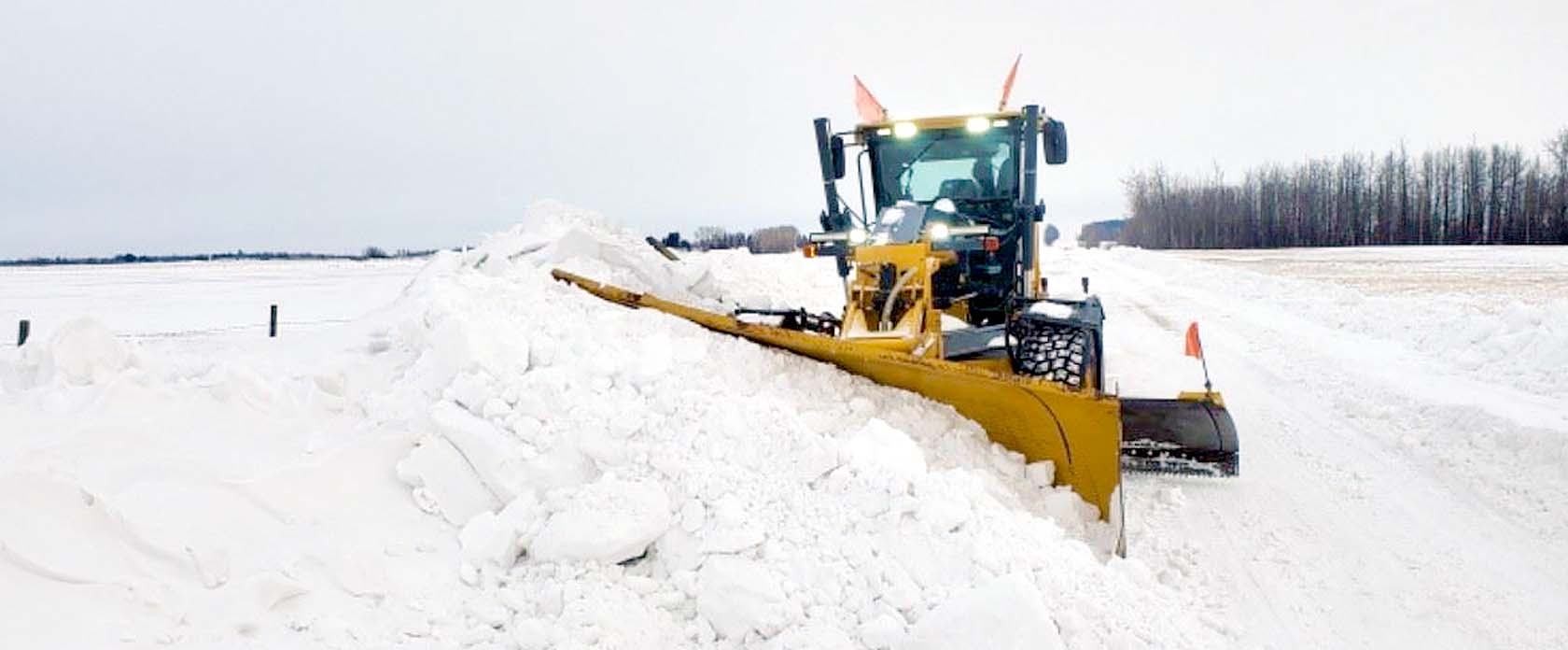
Municipal procurement teams face growing pressure to equip fleets with attachments that deliver flexibility, reliability, and long term value. 6-Way Dozer Blade Procurement for Municipal Fleets examines how the Capital I 6-Way Dozer Blade supports these objectives by consolidating multiple surface work functions into a single, adaptable attachment. For municipalities managing diverse workloads and constrained budgets, procurement decisions must be grounded in performance, lifecycle economics, and operational impact.
Surface work attachments are often purchased reactively to address specific needs, such as grading complaints, shoulder deterioration, or seasonal snow management. This approach can result in fleets filled with single-purpose tools that are used only in narrow applications.
Procurement teams must evaluate whether each new attachment adds genuine value or simply increases inventory complexity. Attachments that can replace or reduce reliance on multiple tools offer a stronger return on investment.
The 6-Way Dozer Blade addresses this challenge by combining functions that traditionally require separate blades or attachments.
Municipal procurement decisions increasingly emphasize value over the lowest bid. Value encompasses performance, durability, operational savings, and alignment with long-term fleet strategies.
The Capital I 6-Way Dozer Blade delivers value by reducing the number of attachments required for grading, shaping, and material movement. Fewer attachments translate into lower storage requirements, simplified maintenance, and reduced training demands.
These benefits strengthen procurement justifications and support transparent decision-making.
Total cost of ownership is a critical procurement metric that extends beyond purchase price. Key factors include:
By allowing operators to complete complex surface work in fewer passes, the 6-Way Dozer Blade reduces operating hours and fuel use. Reduced attachment swapping minimizes downtime and wear on mounting systems.
Over the attachment’s lifecycle, these efficiencies generate measurable cost savings.
Standardization is a common procurement goal, particularly for municipalities operating multiple yards or districts. Standardized attachments simplify parts inventories, training programs, and maintenance procedures.
The 6-Way Dozer Blade supports standardization by covering a wide range of applications that might otherwise require multiple specialized tools. This reduces variation across fleets and simplifies procurement planning.
Standardized configurations also make it easier to rotate equipment between crews as operational demands shift.
Procurement decisions shape how flexible municipal fleets can be in practice. Attachments that limit equipment to a narrow set of tasks reduce responsiveness during peak workloads.
The multi-directional control of the 6-Way Dozer Blade allows crews to adapt quickly to changing conditions without returning to the yard for different equipment. This improves responsiveness during storm events, emergency repairs, or time-sensitive projects.
Operational flexibility is a key performance outcome that procurement teams can reference in evaluation criteria.
Surface work often occurs in high-traffic or roadside environments. Equipment that requires fewer passes and less repositioning reduces exposure to risk.
The 6-Way Dozer Blade improves control over material placement, reducing the likelihood of unexpected movement or rework. Fewer passes mean fewer interactions with traffic and roadside hazards.
From a procurement perspective, investments that reduce operational risk support municipal safety policies and liability management.
Durability is essential in municipal environments, where equipment is subjected to heavy use and harsh conditions. Procurement teams must consider how attachments perform over multiple seasons.
The Capital I 6-Way Dozer Blade is designed for demanding surface work applications, with robust construction that supports long-term use. Durable equipment reduces replacement frequency and improves lifecycle predictability.
Longer service life strengthens capital planning and asset management strategies.
Municipal crews often include operators with varying levels of experience. Intuitive equipment reduces training time and operational errors.
The control logic of the 6-Way Dozer Blade aligns closely with conventional blade operation, making it easier for operators to transition without extensive retraining. This supports workforce flexibility and seasonal staffing needs.
Reduced training requirements also lower indirect procurement costs.
Procurement frameworks increasingly include sustainability criteria. Equipment that reduces fuel use and material waste contributes to environmental objectives.
By minimizing rework and improving material control, the 6-Way Dozer Blade reduces unnecessary movement of aggregate or snow. This improves efficiency and lowers emissions associated with extended machine operation.
These outcomes can be referenced in sustainability reporting and procurement evaluations.
Attachments rarely operate in isolation. Compatibility with other fleet equipment improves overall system efficiency.
The 6-Way Dozer Blade integrates with Capital I Industries’ mounting solutions and complementary attachments, supporting a cohesive fleet ecosystem.
This compatibility reduces complexity and supports long term procurement consistency.
Municipal budgets benefit from predictable equipment performance and maintenance requirements. Attachments that introduce variability complicate planning.
The versatility of the 6-Way Dozer Blade reduces the need for additional purchases and minimizes unexpected costs associated with equipment gaps. This supports stable budgeting across operating and capital plans.
Predictable costs strengthen confidence in procurement decisions.
Surface work outcomes are visible to residents who judge municipal performance based on road and site conditions. Equipment that improves finish quality and consistency supports positive public perception.
Procurement decisions that result in smoother roads, cleaner shoulders, and efficient snow control demonstrate responsible stewardship of public funds.
Clear outcomes make it easier to communicate procurement value to councils and communities.
Strong vendor relationships reduce procurement risk and support long-term success. Capital I Industries focuses on equipment designed specifically for municipal applications.
Their understanding of real-world operating conditions supports better product design, documentation, and service support. Reliable partnerships simplify future procurement cycles.
6-Way Dozer Blade Procurement for Municipal Fleets illustrates how the Capital I 6-Way Dozer Blade supports strategic procurement through versatility, lifecycle value, and operational efficiency. By consolidating multiple surface work functions into a single attachment, municipalities can reduce costs while improving service delivery.
For procurement teams seeking defensible, performance-driven investments, the 6-Way Dozer Blade offers a practical and adaptable solution.