Municipal Mower Lifecycle Value in Roadside Maintenance
Municipal Mower Lifecycle Value in Roadside Maintenance is a critical consideration for public works leaders responsible…
Choosing the best mulcher for municipal vegetation control is an essential part of building a reliable roadside maintenance program. Municipalities face increasing pressure to reduce operational costs while delivering safe and efficient services to the public. Vegetation management plays a critical role in maintaining clear lines of sight, protecting roadbeds, reducing wildlife collisions, and improving drainage. Selecting the right mulcher ensures crews can consistently meet these goals.
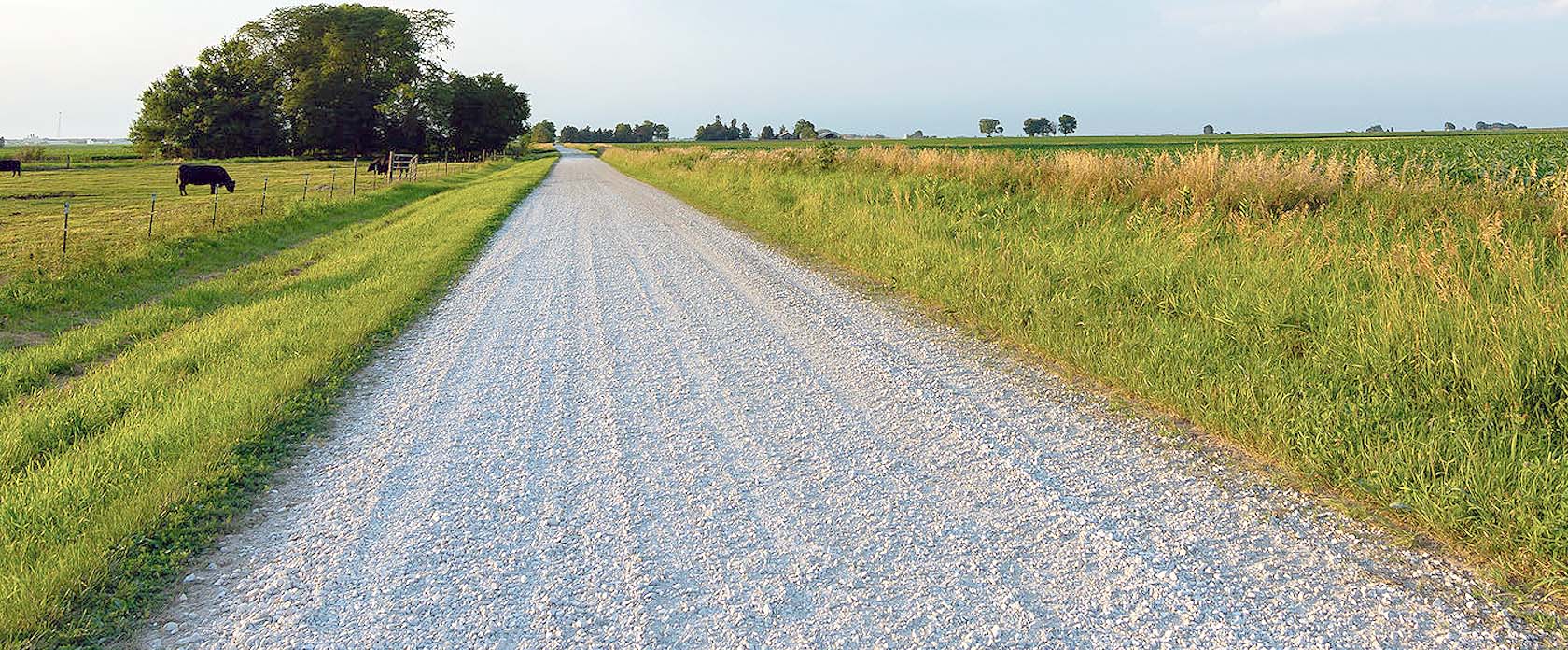
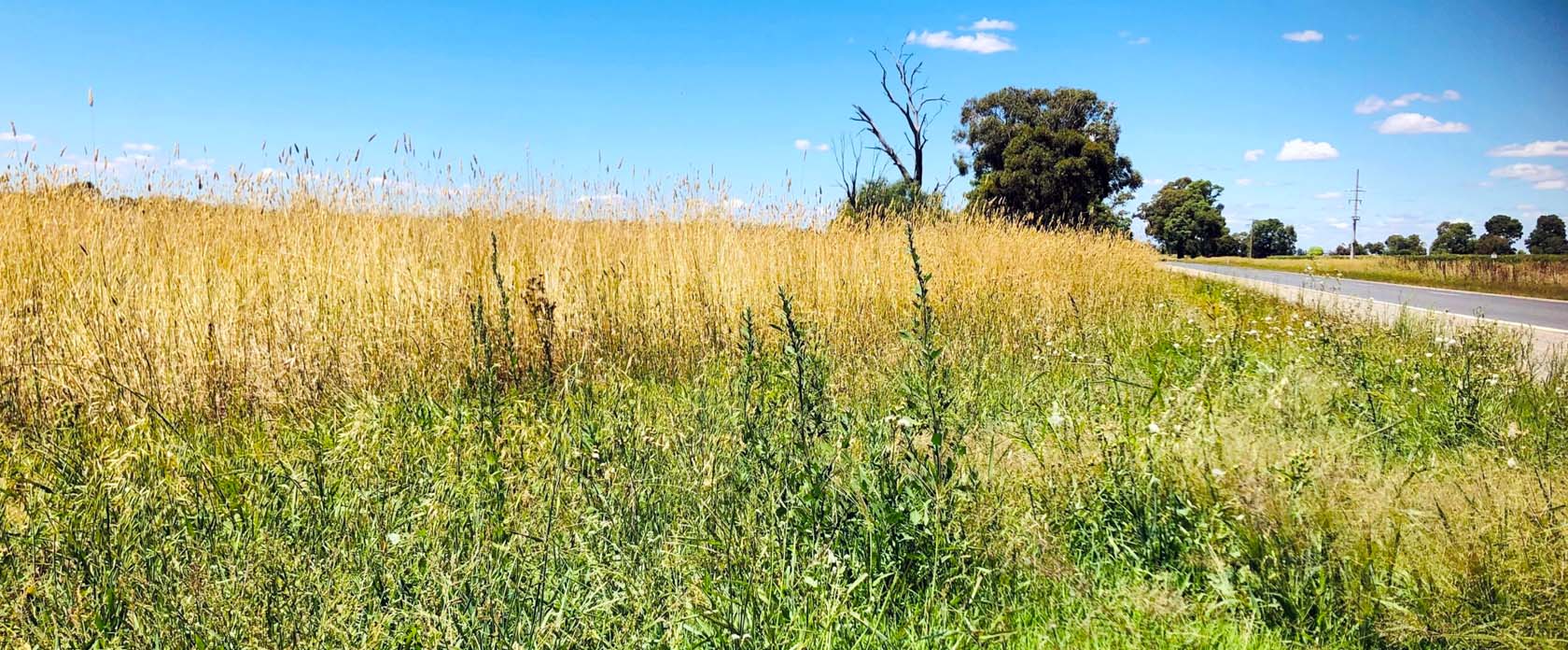
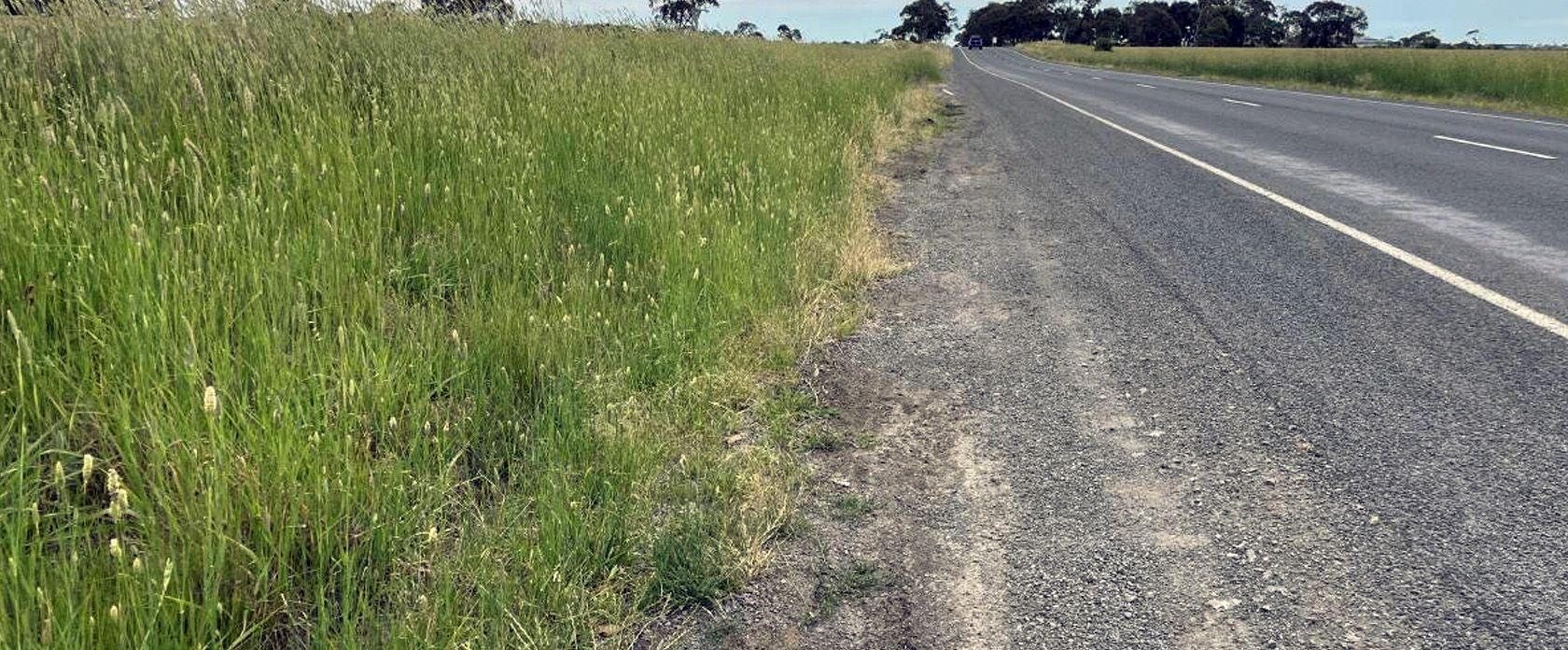
Before choosing a mulcher, public works teams must understand the type of vegetation they encounter. Some regions primarily deal with tall grass along gravel shoulders. Others face dense brush, thick weeds, and small saplings. The type and density of growth heavily influence the mulcher style that will deliver the best results.
A pull-type mulcher works extremely well for long corridors with repetitive vegetation patterns. It excels at maintaining consistent shoulder and ditch profiles. For municipalities that manage large rural networks, it offers unmatched efficiency.
One of the first steps in selecting a mulcher is to understand which tractor fleet the municipality already owns. The horsepower, hitch configuration, and hydraulic capabilities of existing tractors determine which mulchers are compatible. A pull-type mulcher is often the easiest to pair with a wide range of tractors because it relies on the tractor’s pulling power rather than complex hydraulics.
Matching the mulcher to the right tractor ensures consistent blade speed and clean cutting. Using undersized equipment can slow operations and increase equipment wear, while properly matched equipment maximizes productivity.
When choosing a mulcher, several design features matter. Blade strength determines how well the unit handles varied vegetation thickness. A reinforced frame ensures long-term durability, especially when operating in rough ditches or on gravel shoulders. Bearings, belts, and driveline components should be built to withstand long days in challenging conditions.
Capital I focuses on these performance features to ensure the pull-type mulcher delivers reliability season after season. High-quality components reduce downtime and lower maintenance costs. This is especially important for municipalities that rely on consistent equipment performance during peak maintenance periods.
The goal of any mulcher is to produce a clean and even cut. Pull-type mulchers excel in this area because they maintain stable contact with the ground and follow the tractor’s path precisely. This results in clean regrowth, which becomes easier to manage over time.
In contrast, equipment that produces uneven or torn cuts generates unpredictable regrowth patterns. These patterns can become more difficult to control with each passing season. A mulcher that produces a clean finish supports long-term vegetation stability and reduces overall workload.
Safety is another major factor when choosing a mulcher. Operators need clear visibility of the cutting area, and they must be protected from debris. A pull-type mulcher positions the cutting chamber behind the tractor, providing the operator with a clear forward view and reducing direct exposure.
Municipalities also gain public safety benefits. Cleaner ditches improve drainage and reduce the risk of flooding. Clear shoulders help prevent wildlife collisions and give drivers more recovery space during emergencies.
Operating cost is a key concern for any municipality. A pull-type mulcher offers excellent fuel efficiency because it relies on direct pulling power. This simplicity also reduces the number of complex components that need ongoing repairs.
Routine maintenance, such as blade sharpening, belt inspection, and lubrication, is predictable and easy to schedule. Municipalities that create a maintenance plan for their mulcher see significantly reduced downtime.
Choosing a mulcher is only part of building an effective vegetation program. Municipalities often support their mulcher with additional equipment. Slashers help break down dense brush. Rotary mowers provide finishing cuts in open areas. Grader plows reshape the shoulders once vegetation is removed.
Capital I provides equipment across these categories, allowing municipalities to build a cohesive maintenance system.
Choosing the best mulcher for municipal vegetation control involves evaluating vegetation needs, equipment compatibility, durability, cut quality, and long-term cost considerations. A pull-type mulcher offers substantial advantages for municipalities that manage long roadside corridors. With reliable performance and low operating costs, it supports safe and efficient public works operations year-round.