Municipal Mower Lifecycle Value in Roadside Maintenance
Municipal Mower Lifecycle Value in Roadside Maintenance is a critical consideration for public works leaders responsible…

Municipal fleet managers and procurement officers must balance operational performance, fiscal responsibility, and long-term planning when selecting equipment. Municipal Dozer Blade Procurement and Fleet Value Guide explains how the Dozer Blade from Capital I Industries supports these priorities by improving fleet utilization, reducing attachment overlap, and aligning with modern municipal procurement strategies. Designed for demanding public works environments, the Capital I Dozer Blade delivers consistent performance across a wide range of municipal maintenance tasks.
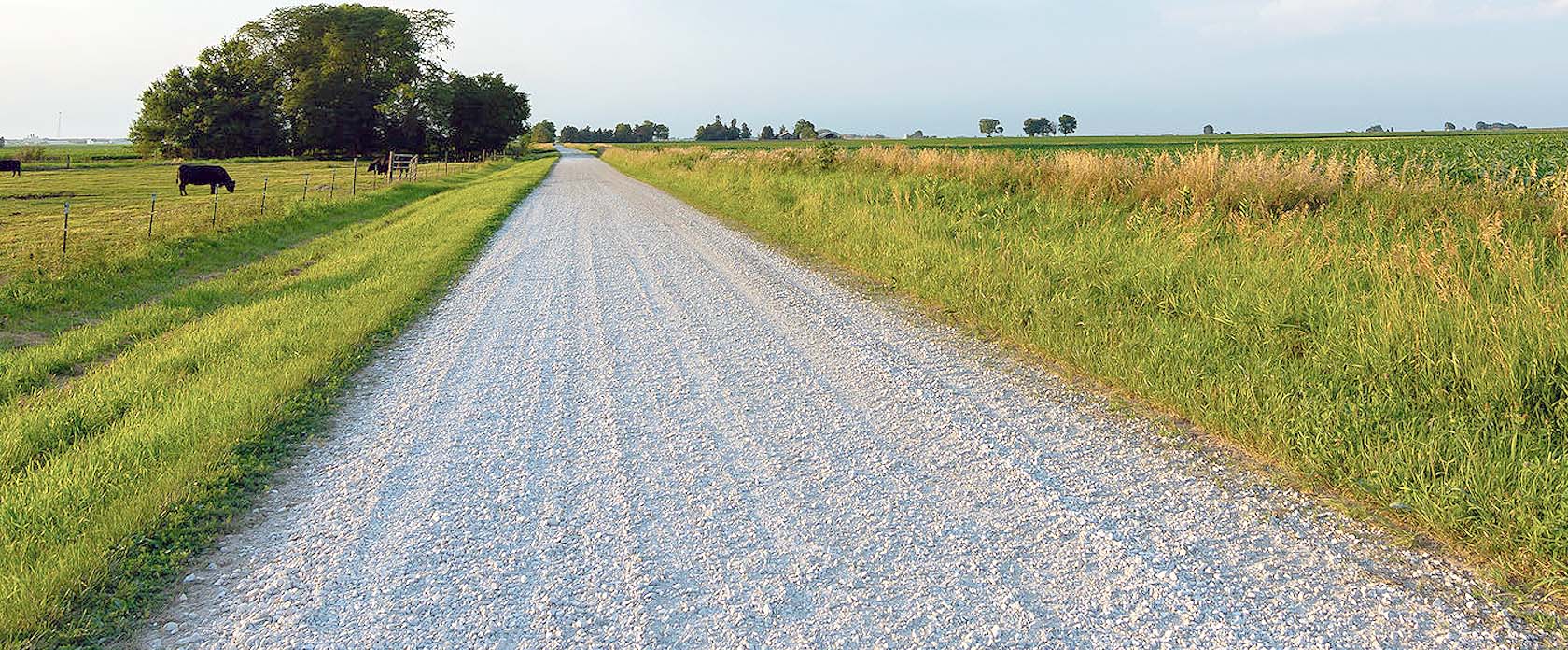
A dozer blade is a foundational tool in municipal operations. It is commonly used for gravel road shaping, shoulder rebuilding, debris removal, site preparation, and general material movement. Unlike highly specialized attachments deployed only a few weeks per year, a dozer blade supports work programs that span multiple seasons.
Because of this high usage, dozer blades are often among the most productive attachments in a fleet. Procurement teams benefit when these assets are durable, versatile, and capable of remaining in service without frequent replacement or downtime.
Many municipal fleets evolve over time rather than through a single strategic plan. As a result, multiple attachments are often purchased to solve similar problems. Separate tools may exist for grading, pushing material, and surface cleanup, even though these tasks frequently overlap.
This attachment overlap increases costs in several ways. Storage requirements grow, spare parts inventories expand, and maintenance schedules become more complex. The Capital I Dozer Blade helps reduce this complexity by covering multiple operational needs with a single, robust attachment.
For procurement officers, this consolidation simplifies purchasing decisions and supports a more streamlined fleet inventory.
Municipal procurement is no longer driven solely by purchase price. Decision makers are expected to evaluate the total cost of ownership across the full lifecycle of an asset.
Key ownership factors include acquisition cost, maintenance requirements, training demands, downtime risk, and replacement timing. The Dozer Blade performs well across all of these areas.
Its heavy-duty construction reduces the likelihood of premature failure. Fewer attachment changes reduce wear on mounting systems. Standardized operations reduce training time and minimize operator error. Taken together, these factors lower the actual cost of ownership over time.
Municipal capital planning typically spans five to ten years. Equipment that introduces unpredictable maintenance costs or requires frequent replacement complicates this planning process.
By investing in a versatile dozer blade instead of multiple task-specific attachments, municipalities can stabilize capital forecasts. Replacement cycles become easier to predict, and future procurement requests can be planned with greater confidence.
This predictability is especially valuable when procurement teams must align fleet investments with broader asset management and infrastructure plans.
Fleet utilization is one of the clearest indicators of procurement success. Equipment that sits idle for long periods delivers a poor return on investment, regardless of its purchase price.
The Capital I Dozer Blade improves utilization by remaining relevant across a wide range of tasks and seasons. Municipalities can measure this impact using metrics such as operating hours per attachment, reduction in attachment swap frequency, and increased task completion rates per crew.
These metrics provide tangible evidence that procurement decisions are delivering operational value.
Operational risk is a critical concern for public works departments. Delays caused by unavailable equipment, attachment failures, or excessive changeover time can disrupt service delivery and impact public safety.
The Dozer Blade reduces these risks by providing a dependable tool that remains ready for deployment. Crews can respond quickly to road damage, washouts, or debris removal without waiting for specialized equipment to become available.
From a procurement perspective, this reliability supports risk mitigation objectives and strengthens justification during RFP evaluations.
Municipal workforces often include a mix of full-time staff, seasonal operators, and new hires. Training operators on multiple attachments increases labour costs and increases the risk of errors.
Standardizing around a versatile dozer blade simplifies training programs. Operators gain familiarity more quickly, task execution improves, and supervision requirements decrease. Over time, this consistency contributes to safer operations and higher overall productivity.
Procurement teams can highlight these workforce efficiency gains as part of the overall value case.
The Dozer Blade is designed to integrate with other Capital I Industries products, supporting a cohesive fleet strategy. When used alongside quick-attach systems and complementary attachments, municipalities can adapt to changing job requirements without sacrificing uptime.
This equipment ecosystem reduces vendor fragmentation and supports standardized maintenance practices. For procurement officers, this simplification reduces administrative burden and improves long-term supplier relationships.
Municipal RFPs typically assess equipment against criteria such as versatility, durability, lifecycle cost, compatibility, and supplier support. The Capital I Dozer Blade aligns well with these evaluation factors.
Procurement teams can clearly document how the blade supports multiple operational programs, reduces long-term costs, and improves fleet efficiency. These attributes strengthen scoring outcomes and support defensible procurement decisions.
Municipal equipment purchases must withstand scrutiny from council members, auditors, and the public. Investments should clearly demonstrate responsible use of taxpayer funds.
By improving productivity, reducing downtime, and simplifying fleet operations, the Dozer Blade contributes to better-maintained roads and more predictable budgets. These outcomes support transparent reporting and reinforce public trust in procurement decisions.
Municipal Dozer Blade Procurement and Fleet Value Guide shows that selecting the right attachment is a strategic decision with long-term implications. The Capital I Dozer Blade supports municipal goals by improving utilization, reducing attachment redundancy, lowering total cost of ownership, and aligning with capital planning requirements.
For procurement officers and fleet managers seeking a durable, versatile solution that delivers measurable value, the Dozer Blade from Capital I Industries represents a practical and defensible investment.