Municipal Mower Lifecycle Value in Roadside Maintenance
Municipal Mower Lifecycle Value in Roadside Maintenance is a critical consideration for public works leaders responsible…
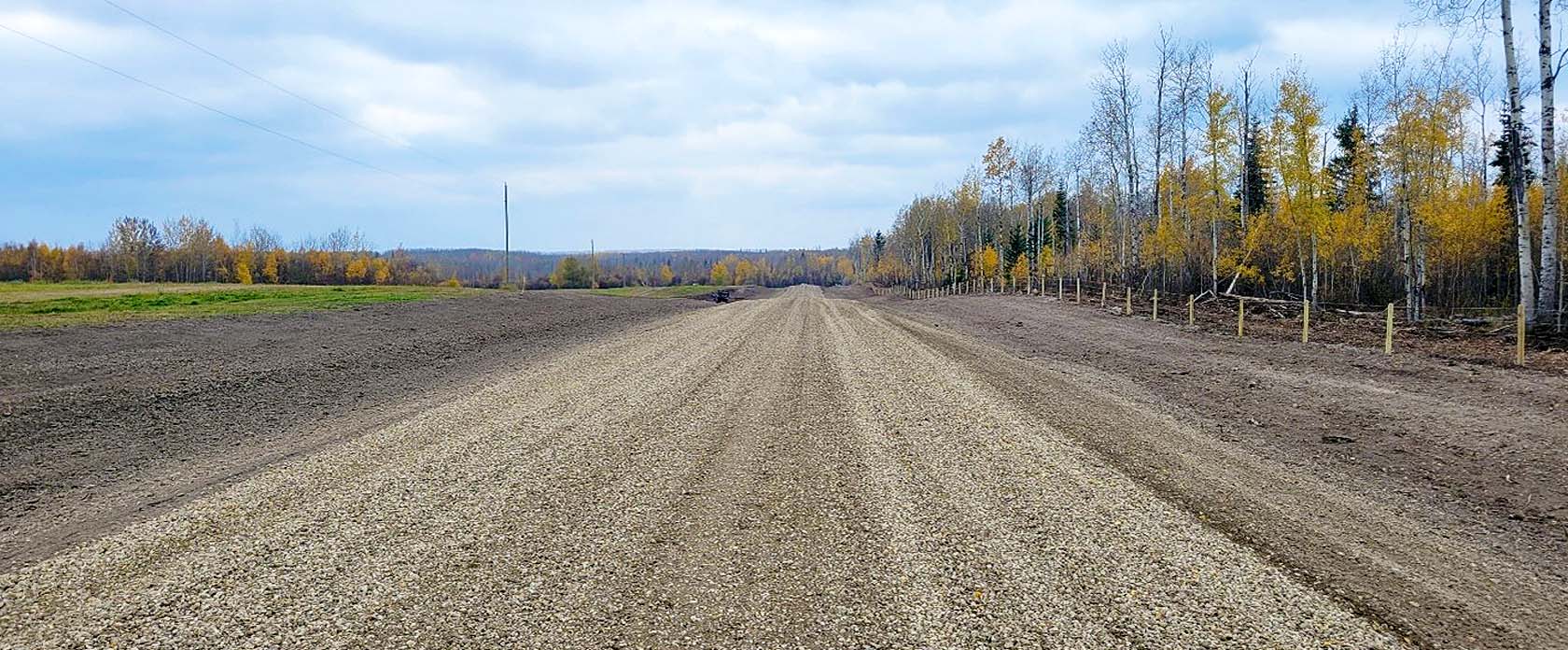
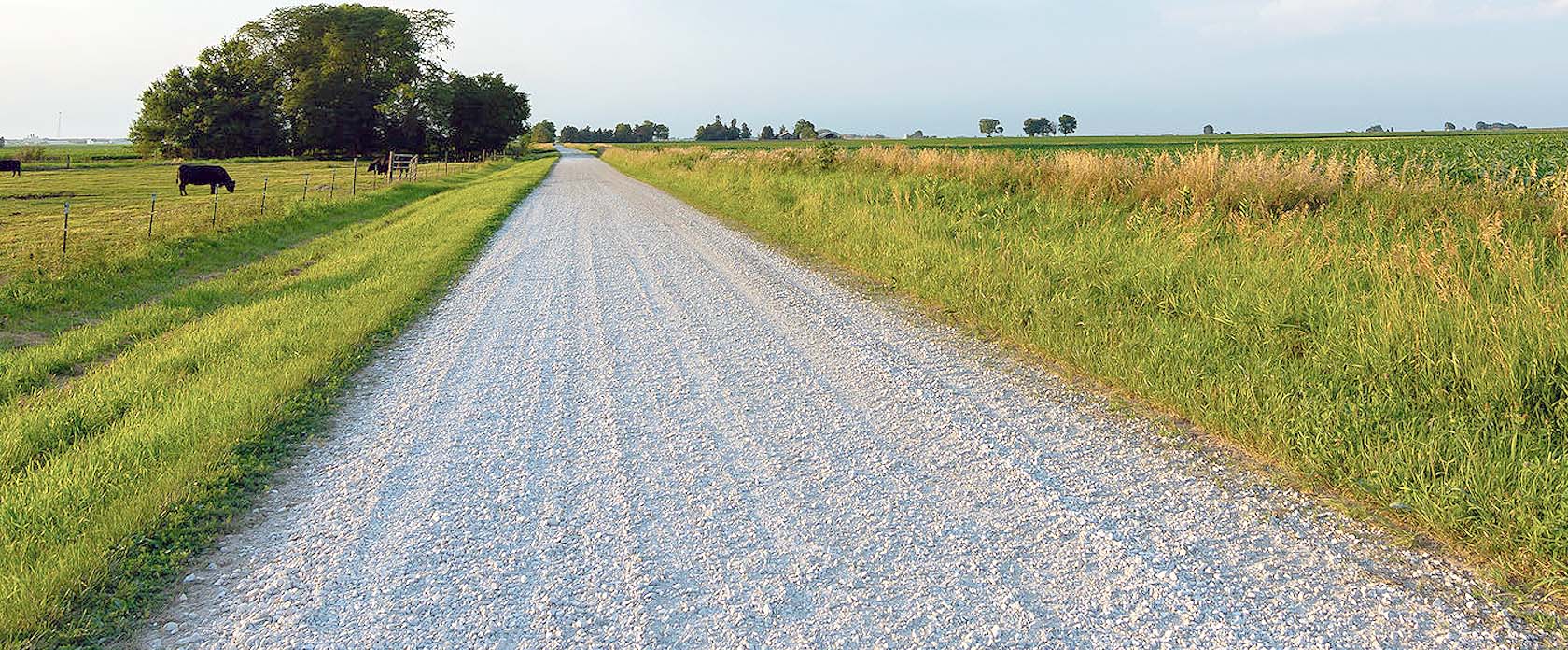
Gravel road maintenance places ongoing pressure on municipal budgets, crews, and equipment fleets. Gravel Reclaimer Procurement for Municipal Road Networks focuses on how municipalities can make defensible equipment decisions that improve unpaved road performance while controlling long term costs. The Capital I Gravel Reclaimer/Sloper supports a strategic approach to gravel road management by reclaiming existing material, restoring proper slope, and reducing dependence on frequent grading and material replacement.
Municipal gravel roads deteriorate steadily under traffic, weather, and seasonal freeze-thaw cycles. Procurement teams are often tasked with responding to surface complaints, dust issues, and drainage failures without expanding operating budgets.
Traditional grading equipment can temporarily smooth surfaces but does little to address material migration and crown loss. As a result, municipalities face rising costs for imported aggregate and increased maintenance frequency.
Procurement strategies must therefore prioritize equipment that solves root causes rather than symptoms.
Reclamation equipment differs from grading equipment in purpose and outcome. Instead of redistributing surface material, reclaimers pull material back from shoulders, remix it, and reshape the road profile.
The Gravel Reclaimer/Sloper allows municipalities to recover usable aggregate that would otherwise be lost. This directly reduces the volume of new material required each season.
From a procurement standpoint, this capability transforms gravel road maintenance from a recurring expense into a managed asset strategy.
Municipal procurement decisions must be justified through measurable benefits. The Gravel Reclaimer/Sloper provides clear performance metrics for tracking and reporting.
Reduced gravel purchases, fewer grading passes, and improved drainage performance can all be documented. These outcomes strengthen funding requests and council approvals.
By linking equipment performance to financial outcomes, procurement teams can confidently defend capital investment.
Upfront pricing rarely reflects the true cost of equipment. Total cost of ownership includes operation, maintenance, downtime, and lifecycle performance.
The Gravel Reclaimer/Sloper reduces total cost by lowering grading frequency and minimizing wear on graders and haul trucks. Less material handling also reduces fuel consumption and labour hours.
Over multiple seasons, these savings reduce the cost per kilometre of maintained road.
Gravel replacement represents one of the highest recurring costs in unpaved road maintenance. Every pass that pushes aggregate into ditches accelerates material loss.
By reclaiming and repositioning existing material, the Gravel Reclaimer/Sloper helps municipalities preserve their investment. This extends the useful life of the aggregate already paid for.
Procurement teams can include material preservation as a key evaluation criterion when comparing equipment options.
Drainage is the single most important factor in gravel road longevity. Poor slope leads to standing water, soft spots, and rapid surface breakdown.
The sloping function of the Gravel Reclaimer/Sloper restores the crown consistently across the roadway. Improved drainage reduces pothole formation and structural damage.
Better drainage performance reduces emergency repairs and supports predictable maintenance cycles.
Operational efficiency affects how far limited budgets and crews can stretch. Equipment that combines multiple functions improves productivity.
The Gravel Reclaimer/Sloper performs reclamation and shaping in a controlled operation, reducing the need for multiple attachments or repeat passes.
This efficiency allows crews to maintain more kilometres of road within the same time window.
Municipal fleets benefit from standardized attachments that integrate across equipment platforms. Standardization simplifies training, parts inventory, and maintenance planning.
The Gravel Reclaimer/Sloper is designed to integrate with Capital I Industries mounting systems and complementary attachments.
This compatibility supports long term procurement planning and reduces fragmentation across fleets.
Variability in operator technique often leads to inconsistent results on gravel roads. Equipment that reduces reliance on individual skill improves outcomes.
The controlled design of the Gravel Reclaimer/Sloper promotes consistent slope and material distribution. This reduces rework and inspection failures.
Consistency also reduces liability associated with poorly maintained road surfaces.
Gravel road maintenance can contribute to dust, erosion, and sediment runoff. Excessive grading increases these impacts.
By reclaiming material and improving drainage, municipalities reduce dust generation and minimize aggregate migration into waterways.
These environmental benefits support regulatory compliance and sustainability commitments.
Asset management frameworks require municipalities to demonstrate that maintenance activities extend the life of infrastructure.
The Gravel Reclaimer/Sloper supports this goal by addressing structural issues rather than cosmetic surface problems. Roads maintained with proper slope and material balance degrade more slowly.
This alignment strengthens asset condition reporting and long-range infrastructure planning.
Supplier reliability influences procurement risk. Municipalities require equipment that is supported over its full lifecycle.
Capital I Industries designs equipment specifically for demanding municipal applications. Their focus on durability and serviceability supports long-term fleet performance.
Reliable vendor partnerships reduce uncertainty in procurement decisions.
Residents depend on gravel roads for daily travel, emergency access, and economic activity. Poor conditions generate complaints and erode confidence.
Equipment that improves surface quality and durability demonstrates responsible stewardship of public funds.
Procurement decisions that deliver visible results reinforce public trust.
Gravel Reclaimer Procurement for Municipal Road Networks highlights how the Capital I Gravel Reclaimer/Sloper supports smarter procurement by reducing material costs, improving road structure, and extending asset life. By reclaiming existing aggregate and restoring proper slope, municipalities can achieve sustainable gravel road maintenance without escalating budgets.
For procurement teams seeking defensible, performance-driven investments, the Gravel Reclaimer Sloper offers clear operational and financial value.