Municipal Mower Lifecycle Value in Roadside Maintenance
Municipal Mower Lifecycle Value in Roadside Maintenance is a critical consideration for public works leaders responsible…
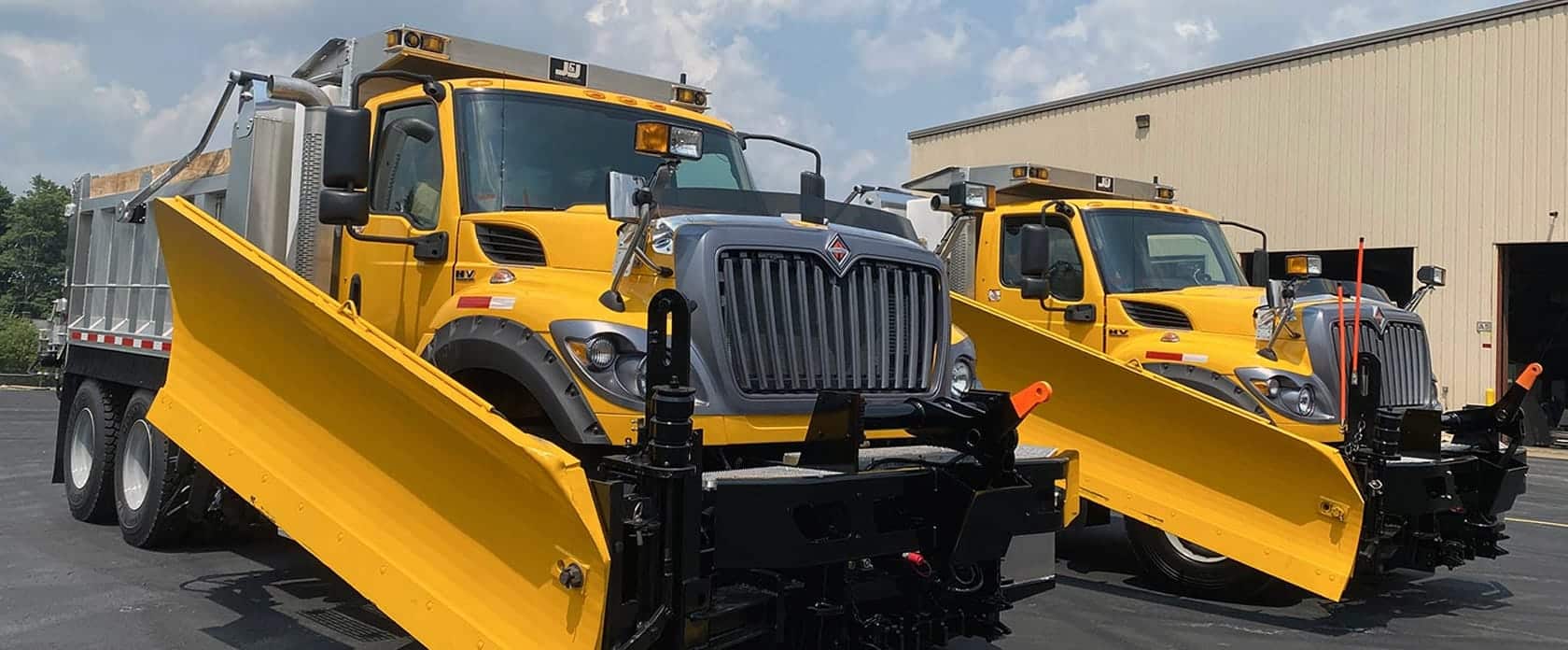
Municipal fleet managers are constantly challenged to make the most of their equipment while keeping operational costs in check. Maximizing Quick Attach Lift Group Utilization For Municipal Fleets explains how the Capital I Quick Attach Lift Group improves fleet efficiency by enabling faster attachment changes, increasing operator productivity, and supporting multi-task operations across public works. By allowing a single machine to perform a variety of functions, municipalities can reduce idle time, improve service delivery, and better justify capital investments.
Municipal fleets often include machines capable of multiple functions, but practical use can be limited by slow or cumbersome attachment changes. Traditional systems require tools, extra labour, or extended setup time, leading to reduced asset utilization and lower return on investment.
The quick attach lift group solves this by streamlining the attachment process, ensuring machines spend more time performing work rather than waiting to be reconfigured. Higher utilization directly translates into improved cost efficiency and operational effectiveness.
Idle equipment represents a hidden cost for municipalities. Machines sitting in the yard or underused due to attachment limitations do not provide value despite ongoing capital and maintenance expenditures.
A quick attach lift group reduces idle time by allowing machines to pivot quickly between attachments. This ensures that graders, loaders, and other base machines actively contribute to operations throughout the day.
Reduced idle time improves overall fleet performance metrics and strengthens procurement justification.
Municipal crews often face a range of tasks in a single workday, from lifting materials to grading surfaces and clearing debris. Without flexible attachment systems, machines may need to be reassigned or remain underutilized for specific operations.
The Capital I Quick Attach Lift Group enables crews to switch between attachments efficiently, supporting complex workflows without additional machines. Multi-task capability increases overall productivity and allows supervisors to allocate resources more effectively.
Crew productivity depends on both machine and operator efficiency. When attachment changes are time-consuming or awkward, operator fatigue increases and productivity drops.
A quick attach lift group simplifies the physical and procedural aspects of switching attachments. Operators can complete transitions quickly, maintain workflow continuity, and focus on completing tasks rather than managing equipment limitations.
Improved operator efficiency contributes directly to measurable gains in fleet utilization.
Municipal operations vary by season. Winter tasks, road maintenance, drainage, and landscaping each require different attachments. Machines locked into one function can leave crews under-resourced for seasonal programs.
A quick attach lift group enables machines to adapt to seasonal needs without adding equipment to the fleet. One machine can handle multiple programs, increasing the operational value and ensuring maximum utility year-round.
Many municipalities attempt to meet operational needs by acquiring specialized machines for specific tasks. This approach increases capital costs, maintenance requirements, and storage complexity.
By increasing the functional versatility of a single machine, the Capital I Quick Attach Lift Group allows municipalities to reduce reliance on multiple specialized machines. This consolidation lowers lifecycle costs and simplifies fleet management.
Attachment standardization simplifies maintenance. When a single attachment system is compatible across multiple machines, crews and maintenance staff become familiar with the equipment, parts inventories are reduced, and service procedures are standardized.
The quick attach lift group integrates with Capital I Industries attachments, ensuring consistent support and reducing operational disruption.
Municipalities can track improvements in utilization through metrics such as operating hours per machine, attachment swap frequency, and work completed per day. These metrics provide evidence that flexible attachment systems increase productivity and improve return on investment.
Tracking utilization also supports capital planning by demonstrating the effectiveness of attachment investments compared with dedicated machines.
Procurement decisions are increasingly scrutinized for value and lifecycle cost. A quick attach lift group provides measurable benefits by improving machine utilization, reducing downtime, and extending the functional capability of existing fleet assets.
These quantifiable advantages support defensible procurement recommendations and help secure budget approvals by demonstrating tangible operational impact.
Flexible equipment allows different departments to share resources more effectively. Roads, utilities, and public works crews can deploy machines with compatible attachments without lengthy reconfiguration, reducing duplication and improving coordination.
The quick attach lift group supports this interdepartmental flexibility, ensuring maximum productivity across municipal programs.
Underutilized or poorly adaptable machines pose operational risk during peak workloads or emergency response. Flexible attachment systems reduce this risk by ensuring that a machine can switch functions as priorities change.
Municipalities equipped with quick attach lift groups can respond more efficiently to unexpected conditions, improving service continuity and reducing exposure to operational delays.
Maximizing Quick Attach Lift Group Utilization For Municipal Fleets demonstrates how municipalities can increase productivity and operational efficiency without expanding fleet size. The Capital I Quick Attach Lift Group enables faster attachment changes, higher utilization, and multi-task operation, supporting both day-to-day operations and seasonal work.
For public works teams seeking to improve efficiency, reduce downtime, and get more value from existing machines, this attachment is a practical and strategic investment.