Municipal Mower Lifecycle Value in Roadside Maintenance
Municipal Mower Lifecycle Value in Roadside Maintenance is a critical consideration for public works leaders responsible…
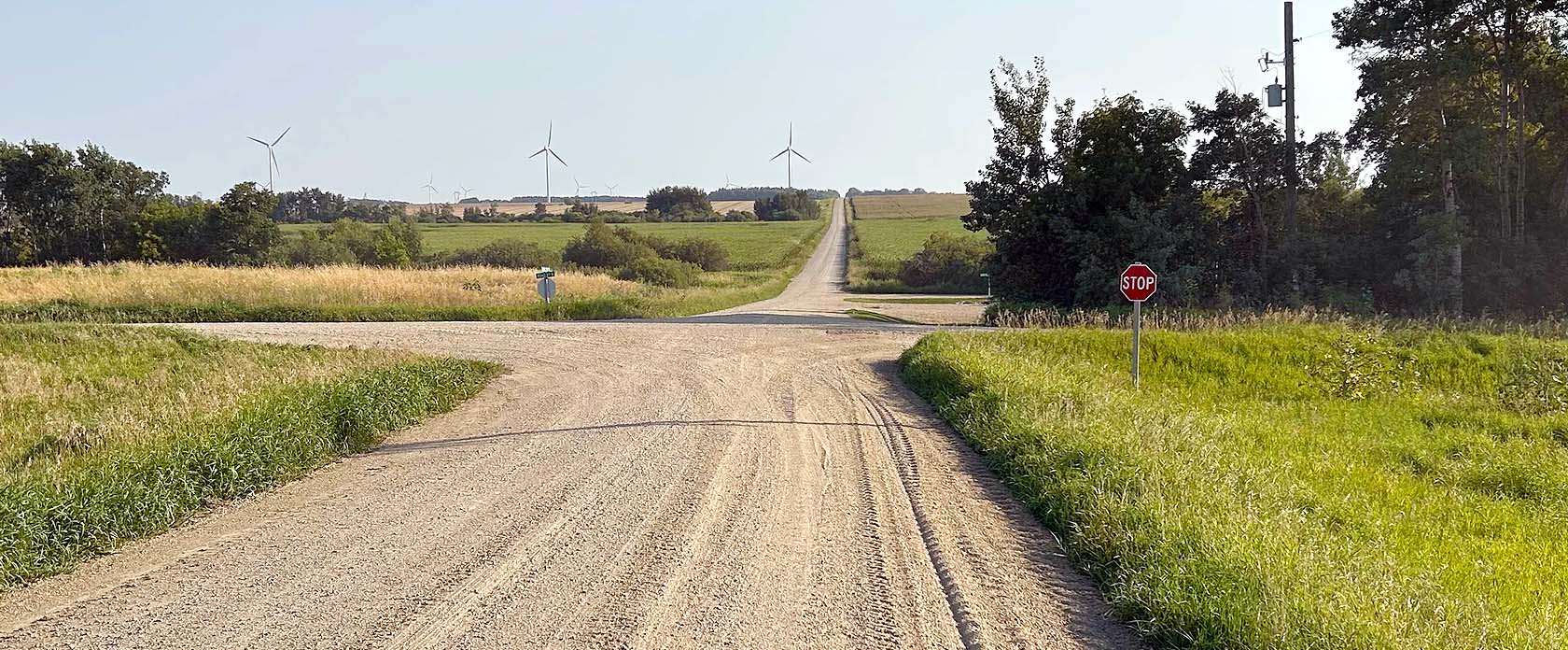
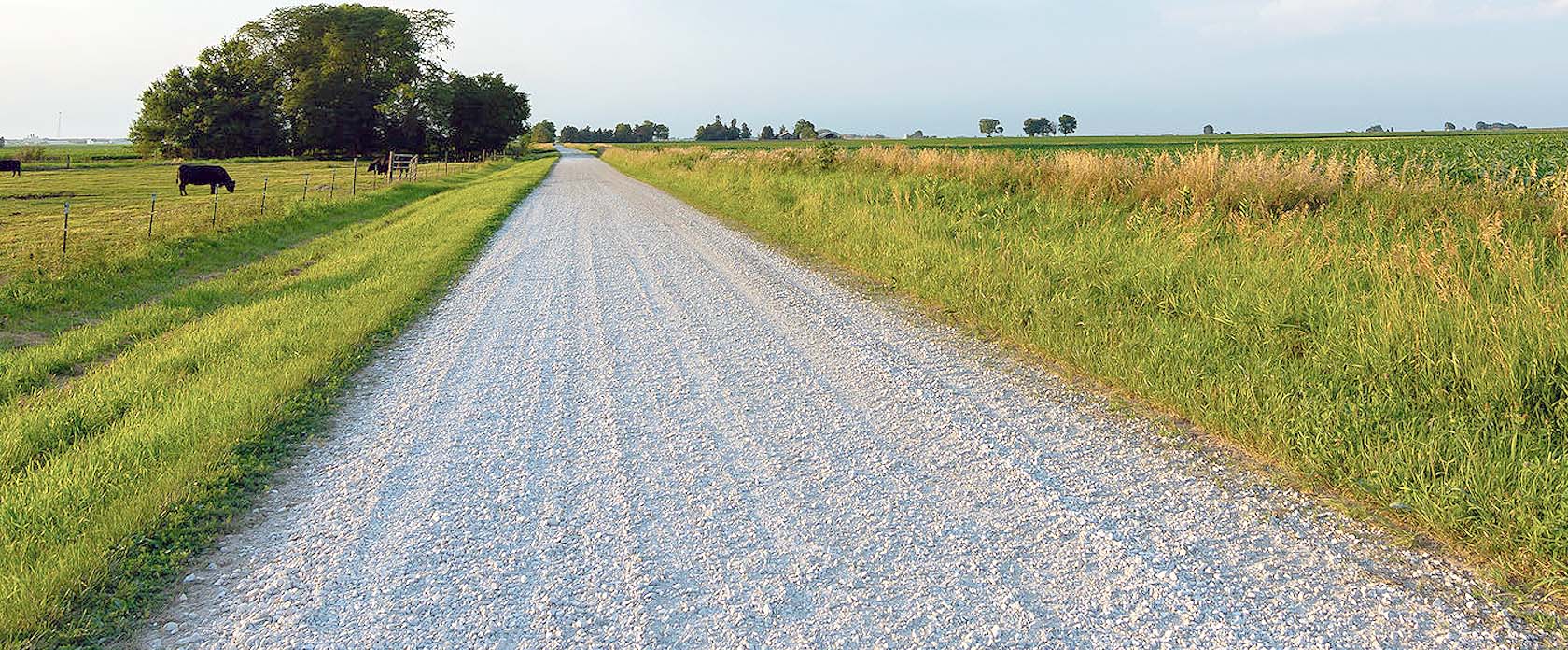
Municipal gravel road networks require a maintenance approach that balances cost control, service quality, and long-term asset preservation. Municipal Gravel Road Maintenance Strategy Using Reclamation examines how municipalities can move beyond repetitive grading and adopt reclamation-based maintenance that delivers more consistent results. The Capital I Gravel Reclaimer/Sloper plays a central role in this strategy by reclaiming displaced aggregate, restoring slope, and improving road performance across entire networks.
Many municipalities rely on traditional grading as their primary method of gravel road maintenance. While grading smooths surfaces temporarily, it often accelerates material migration and crown loss.
Over time, this approach increases grading frequency, material replacement costs, and road deterioration. A strategic maintenance model focuses instead on preserving existing material and maintaining proper road geometry.
Reclamation equipment enables this shift by addressing the structural causes of gravel road failure rather than surface symptoms.
Traffic, precipitation, and freeze-thaw cycles push aggregate away from the road center toward shoulders and ditches. Once displaced, material is difficult to recover using standard grading methods.
The Gravel Reclaimer/Sloper is designed to pull material back onto the roadway and remix it evenly. This restores balance to the road profile and reduces the volume of aggregate lost beyond recovery.
By managing material movement proactively, municipalities protect their original investment in aggregate.
Proper drainage is the most critical factor in gravel road performance. Roads without sufficient slope trap water, leading to soft spots, potholes, and structural failure.
The sloping function of the Gravel Reclaimer/Sloper restores a consistent crown across the roadway. This promotes rapid water runoff and reduces saturation of the road base.
Improved drainage extends the life of gravel roads and reduces emergency repairs during wet conditions.
Reclamation is most effective when integrated into routine maintenance schedules rather than used reactively. Municipalities that plan reclamation passes reduce the need for frequent grading.
By scheduling reclamation at key intervals, crews maintain road shape and material distribution before problems escalate. This proactive approach improves predictability and efficiency.
Strategic scheduling also allows better coordination of crews and equipment.
Municipal public works departments often manage large gravel networks with limited resources. Equipment that combines functions improves coverage and productivity.
The Gravel Reclaimer/Sloper reclaims and reshapes material in a single controlled operation. This reduces the number of passes required and limits equipment hours.
Improved efficiency allows crews to address more kilometres of road within the same maintenance window.
Procurement decisions should support long-term maintenance strategies, not short-term fixes. Equipment purchases that align with asset management goals deliver greater value.
The Gravel Reclaimer/Sloper supports a preservation-based strategy by extending the service life of gravel roads. This aligns with municipal objectives to maximize infrastructure value while controlling costs.
Procurement teams can frame reclamation equipment as a strategic investment rather than an operational expense.
Total cost of ownership includes acquisition, operation, maintenance, and the impact on other fleet assets. Equipment that reduces downstream costs often delivers the strongest return.
By reducing grading frequency and material replacement, the Gravel Reclaimer/Sloper lowers operating costs across multiple budget lines. Reduced wear on graders and trucks further improves lifecycle economics.
These savings accumulate over multiple seasons, strengthening long-term value.
Modern municipal fleets benefit from attachments that integrate seamlessly with existing equipment. Compatibility reduces training time and maintenance complexity.
The Gravel Reclaimer/Sloper is designed to work within Capital I Industries attachment systems and complementary products.
This flexibility allows municipalities to deploy the attachment across multiple machines and applications, improving utilization.
Consistency in road maintenance results is essential for inspections, reporting, and public satisfaction. Equipment that reduces reliance on operator technique improves consistency.
The controlled design of the Gravel Reclaimer/Sloper supports predictable material movement and slope formation. This simplifies training and reduces variability between operators.
Consistent outcomes reduce rework and improve overall network condition.
Gravel road maintenance has environmental impacts related to dust, erosion, and aggregate extraction. Excessive grading increases these impacts.
Reclamation reduces the need for imported material and limits disturbance to surrounding environments. Improved drainage also reduces erosion and sediment runoff.
These benefits support municipal sustainability goals and environmental compliance.
Unpredictable road failures complicate budgeting and resource planning. A proactive maintenance strategy improves predictability.
Roads maintained with proper slope and balanced material require fewer emergency interventions. This allows municipalities to plan maintenance activities and budgets more accurately.
Predictability improves alignment between operating and capital plans.
Gravel road conditions are highly visible to residents and businesses. Poor conditions affect safety, vehicle wear, and satisfaction.
Equipment that improves surface quality and durability demonstrates responsible stewardship of public funds. Better roads reduce complaints and improve confidence in municipal services.
Maintenance strategies that deliver visible results strengthen community trust.
Successful implementation of a reclamation strategy depends on reliable equipment and supplier support. Municipalities require partners who understand real-world operating conditions.
Capital I Industries designs equipment specifically for demanding municipal environments. Their focus on durability and practical performance supports long-term success.
Strong vendor relationships reduce procurement risk and support future planning.
Climate variability and traffic growth continue to stress gravel road networks. Maintenance strategies must adapt to changing conditions.
Reclamation-based approaches provide flexibility and resilience by preserving road structure and material balance. Equipment that supports this approach positions municipalities for future challenges.
Planning ahead reduces long term risk and cost escalation.
Municipal Gravel Road Maintenance Strategy Using Reclamation illustrates how the Capital I Gravel Reclaimer/Sloper enables municipalities to shift from reactive grading to proactive preservation. By reclaiming existing aggregate, restoring slope, and improving drainage, municipalities can extend road life while controlling costs.
For communities seeking a sustainable, defensible approach to gravel road maintenance, the Gravel Reclaimer Sloper delivers operational efficiency, procurement value, and long-term asset protection.