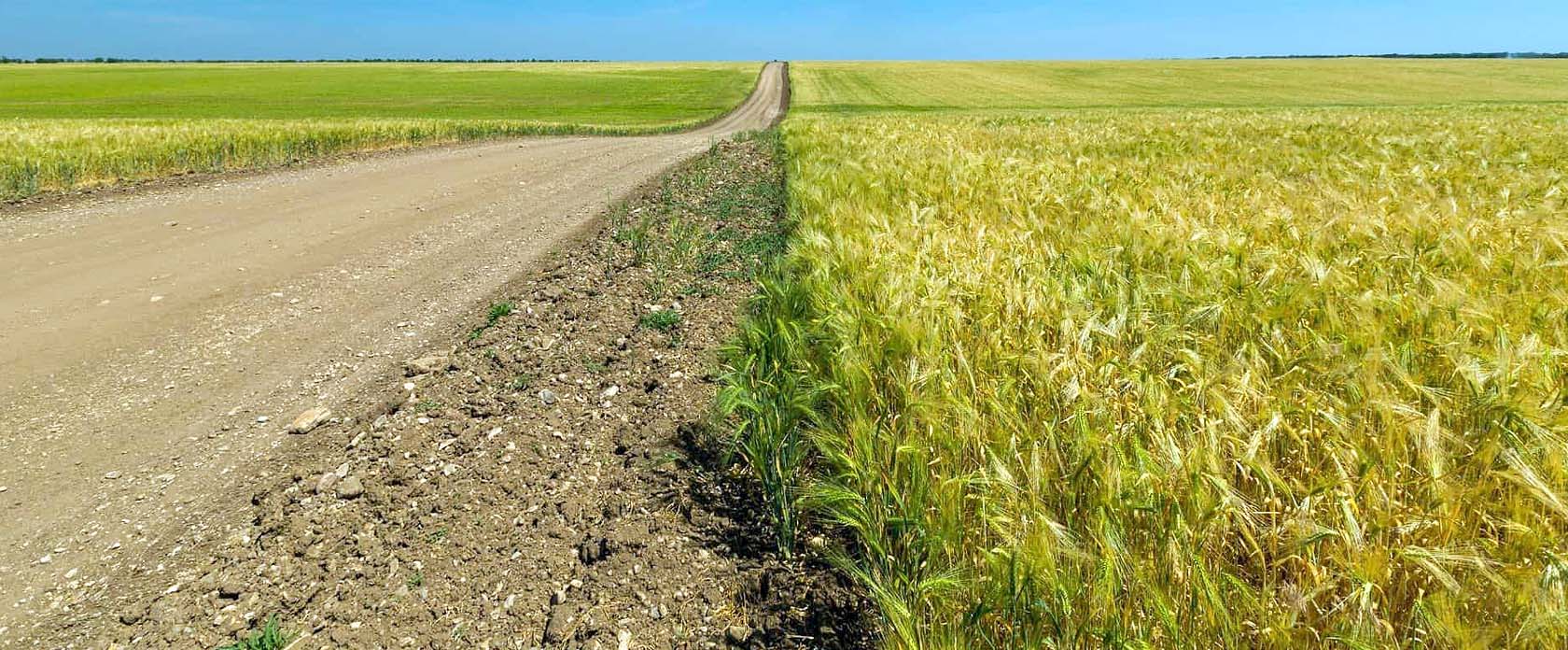
Municipal Mower Lifecycle Value in Roadside Maintenance
Municipal Mower Lifecycle Value in Roadside Maintenance is a critical consideration for public works leaders responsible…
Municipal Mower Lifecycle Value in Roadside Maintenance is a critical consideration for public works leaders responsible for balancing safety, appearance, and long-term asset management. Vegetation control equipment must deliver consistent performance year after year while operating in demanding roadside environments. Evaluating lifecycle value rather than upfront cost alone allows municipalities to make more resilient, defensible fleet decisions.
Lifecycle value reflects the total benefit an attachment delivers from acquisition through retirement. This includes operational performance, maintenance demands, utilization rates, downtime risk, and replacement predictability.
For roadside mowing equipment, lifecycle value is especially important because the work is repetitive, highly visible, and directly tied to public safety outcomes. Equipment that underperforms or fails prematurely generates compounding costs across multiple seasons.
A wing-mounted mower designed for municipal duty cycles supports consistent lifecycle performance.
The initial seasons of use often determine whether an attachment meets operational expectations. Equipment that delivers immediate productivity gains strengthens confidence among operators and supervisors.
The Capital I Wing-Mounted Mower provides strong early lifecycle performance by allowing crews to cover wider roadside areas efficiently. Fewer passes are required to achieve acceptable cut quality, reducing labour hours and vehicle wear.
These early gains accelerate return on investment and reinforce the asset’s long-term value.
Roadside mowing exposes equipment to uneven terrain, debris, and continuous vibration. Structural integrity plays a major role in determining service life and maintenance cost.
Lifecycle value increases when attachments maintain alignment, cutting performance, and mounting stability over repeated seasons. Equipment that bends, loosens, or requires frequent welding introduces hidden costs and downtime.
The Wing-Mounted Mower is engineered with reinforced components to withstand municipal mowing conditions and extend usable life.
Maintenance requirements accumulate over time. Attachments that require frequent blade replacement, adjustment, or complex servicing increase lifecycle cost.
The Wing-Mounted Mower is designed for straightforward maintenance within standard municipal shop capabilities. Routine inspections and wear part replacement can be completed efficiently, supporting higher uptime during peak mowing periods.
Lower maintenance complexity contributes directly to improved lifecycle economics.
Downtime during mowing season can delay vegetation control and create safety risks along roadways. Lifecycle value includes not only how often equipment fails, but also how easily it can be returned to service.
Attachments with fewer mechanical complexities reduce failure points and improve reliability. The Wing-Mounted Mower’s design supports consistent operation throughout extended mowing cycles.
Reduced downtime supports predictable scheduling and improves service reliability.
Utilization rate is a key driver of lifecycle value. Attachments that can be used only under limited conditions or on specific vehicles often underperform financially.
When paired with compatible carriers, a wing-mounted mower allows municipalities to deploy the same base vehicle across multiple maintenance tasks. This adaptability improves annual utilization and spreads capital cost across more productive hours.
Higher utilization strengthens the long term return on investment.
Fuel costs represent a significant portion of roadside maintenance budgets. Equipment that increases drag or requires multiple passes increases fuel consumption.
The efficient cutting design of the Wing-Mounted Mower minimizes resistance and supports steady operating speeds. Over multiple seasons, fuel savings contribute meaningfully to reduced operating costs.
These efficiencies align with both financial and environmental objectives.
Municipal workforces often experience turnover and seasonal staffing changes. Intuitive equipment reduces training time and error risk.
The predictable behaviour of a wing-mounted mower supports consistent operation across varying skill levels. Operators gain confidence more quickly, improving productivity and safety.
Reduced training demands enhance workforce stability and long-term operational effectiveness.
Predictable replacement cycles are essential for effective capital planning. Attachments that deteriorate faster than expected disrupt budgets and force reactive procurement.
Durable construction and consistent performance allow municipalities to forecast replacement timelines more accurately. This predictability improves long-term capital planning and reduces financial volatility.
Lifecycle value increases when replacement decisions can be planned rather than forced.
Modern fleet management emphasizes data-supported decision-making. Lifecycle value improves when equipment performance can be measured over time.
Metrics such as area cut per hour, fuel consumption, maintenance frequency, and downtime provide insight into long term value. These metrics support continuous improvement initiatives and future procurement decisions.
The Wing-Mounted Mower’s consistent performance generates reliable data for evaluation.
Roadside vegetation management is highly visible to residents and road users. Poorly maintained shoulders and embankments often result in complaints and safety concerns.
Lifecycle value includes reputational benefits. Equipment that delivers a consistent roadside appearance year after year demonstrates responsible stewardship of public assets and strengthens public trust.
Lifecycle performance is reinforced by dependable vendor support. Access to parts, service documentation, and technical assistance reduces risk throughout the equipment’s life.
Capital I Industries supports municipal fleets with purpose-built attachments and long-term service resources. This partnership approach enhances confidence in asset longevity and procurement decisions.
Lifecycle value increases when equipment integrates into a standardized attachment ecosystem. Shared maintenance practices and interoperable designs simplify fleet management.
The Capital I Wing Mounted Mower complements other municipal attachments, allowing fleets to optimize deployment and maintenance across seasons.
This integration supports resilient, long-term fleet strategies.
Municipal Mower Lifecycle Value in Roadside Maintenance demonstrates why lifecycle-focused decision-making is essential for municipal vegetation control. By prioritizing durability, utilization, and predictable performance, municipalities can achieve safer roadsides and controlled costs over time.
The Capital I Wing-Mounted Mower delivers measurable lifecycle value through consistent performance, efficient maintenance, and strong fleet integration, making it a strategic investment for long term roadside maintenance success.