Municipal Mower Lifecycle Value in Roadside Maintenance
Municipal Mower Lifecycle Value in Roadside Maintenance is a critical consideration for public works leaders responsible…
Municipal winter maintenance is one of the most visible and operationally demanding services provided by public works departments. Municipal Postless Snow Wing Solutions for Winter Operations explains how the Capital I Postless Snow Wing improves snow removal efficiency, enhances visibility and safety, and supports smarter fleet utilization without adding complexity to equipment inventories. Designed for extreme conditions common to northern climates, this attachment addresses typical winter challenges while aligning with procurement goals and lifecycle planning.
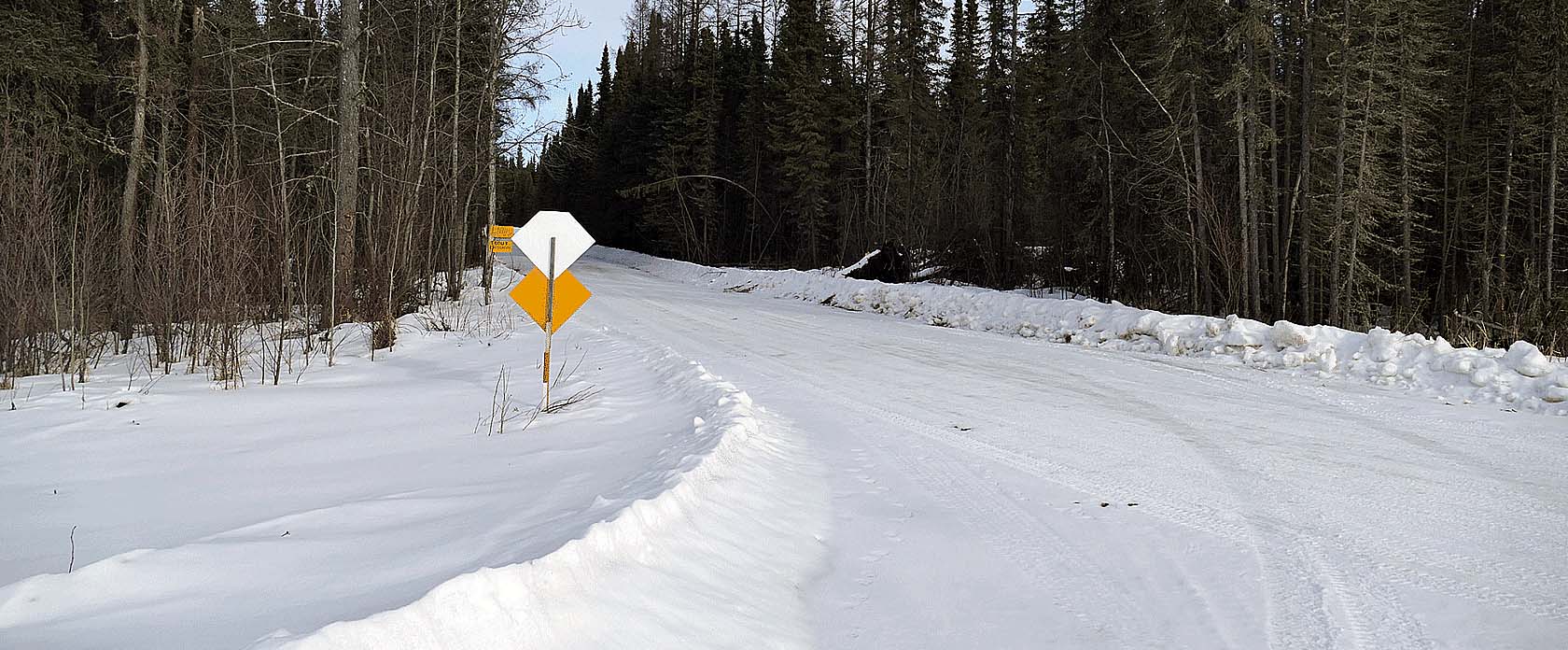
For many municipalities, winter means snow, ice, drifting, and the pressing need to keep roads passable for residents, emergency vehicles, and commerce. Poor winter service can lead to public complaints, safety hazards, and increased liability exposure.
Traditional snow wings and plow setups often use vertical posts. While they serve their purpose, these posts can obstruct operator sightlines, catch on snow fences and guardrails, and reduce visibility in low light or blowing snow. In contrast, a postless snow wing improves winter operations by eliminating vision-obscuring posts while delivering the same or better snow control performance.
The Capital I Postless Snow Wing is engineered to provide a wide clearing path, optimized snow roll and push performance, and enhanced surface contact without the need for vertical posts. This means:
For municipalities with winding roads, steep shoulders, or urban overlay where line of sight is critical, this design directly translates into better operator confidence and improved productivity.
Operator visibility is a key factor in safe and efficient snow removal. Even experienced operators can struggle when their sightlines are obstructed by blade components. A postless design opens up forward and peripheral views, reducing blind spots and giving operators greater confidence to operate at safer, more efficient speeds.
Better visibility also reduces the risk of accidental contact with fixed roadside assets like mailboxes, guardrails, or signs. These incidents may seem minor, but they can result in repair costs, vehicle downtime, and public relations issues if residents feel their property is being damaged by municipal crews.
Municipal fleets face pressure to demonstrate utilization and return on investment. A piece of winter equipment that sits idle for months before being deployed for just a few weeks results in low utilization, increasing lifecycle cost without proportional value.
The Capital I Postless Snow Wing solves this by pairing well with universal mounting systems and integrated fleet attachments. When coupled with a quick attach lift group, graders and utility tractors can switch between snow wings and other attachments with minimal downtime. This increases the number of productive hours each vehicle contributes to municipal operations.
From a procurement perspective, improved utilization strengthens the case for the investment by showing measurable service hours per asset rather than relying solely on seasonal use.
Municipal procurement officers often have to justify winter capital purchases months before actual field results are realized. Snow removal equipment must be defensible not only in terms of initial purchase cost but also in total cost of ownership.
Total cost of ownership includes:
The reliability and design of the Postless Snow Wing directly contribute to lower lifecycle costs. Operators require less retraining due to intuitive handling, and fewer obstruction-related issues reduce repair bills.
Seasonal changeover is a major source of downtime for municipal fleets. Crews spend valuable time attaching and detaching seasonal equipment rather than performing maintenance. The Postless Snow Wing helps reduce downtime thanks to its compatibility with quick attach systems and its design that requires fewer manual adjustments.
By reducing the duration and complexity of seasonal changeover, municipalities can redirect labour to other priority tasks, improving overall operational throughput.
Safety is a key component of municipal service planning. Winter conditions elevate risk for operators, motorists, and pedestrians. The postless design reduces blind spots and improves control in high-wind and low-visibility conditions. These improvements are not just operational; they support municipal risk management.
Public works directors can show reduced incident metrics when equipment improves the operator’s line of sight and handling. This data is valuable in risk management reports and can support capital funding requests by tying equipment performance to safer outcomes.
Winter weather is unpredictable. Snow density, wind patterns, and surface conditions vary widely even within a single storm. A snow wing must adapt to these variables without requiring frequent adjustment.
The Capital I Postless Snow Wing offers consistent performance across a variety of snow types and surface conditions, from light fluff to heavy wet snow. This reliability reduces the need for secondary passes or follow-up maintenance, directly impacting fuel use, crew hours, and equipment wear.
Reduced variation in performance also builds operator confidence, leading to more consistent service outcomes.
Municipalities increasingly use telematics and fleet data to demonstrate equipment effectiveness. When a snow wing performs well, it shows up in utilization statistics, reduced idle time, and task completion rates.
Tracking these metrics allows procurement and operations teams to quantify the impact of the Postless Snow Wing, supporting future budget requests and demonstrating progress against service level agreements.
When equipment is intuitive and easy to operate, training demands are lower. Snow removal is often managed by a mix of full-time and seasonal operators. A postless design reduces cognitive load on operators, thereby reducing training time and improving safety.
Simplified training also supports fleet flexibility by making it easier to assign operators across different work areas without lengthy retraining.
Efficient snow removal also supports environmental goals. Faster, more effective plowing reduces the amount of salt and deicing chemicals needed, minimizing environmental impact on roadside vegetation and waterways.
Moreover, visible improvements in winter road conditions can improve public perception of municipal services. Residents are more tolerant of winter conditions when roads are consistently cleared in a safe and efficient manner.
Equipment compatibility and parts standardization lower lifecycle complexity. The Postless Snow Wing is designed to work with Capital I Industries attachment ecosystems, reducing the number of unique parts that fleet maintenance teams must manage.
Standardized parts and services reduce procurement complexity and help maintain consistent service levels across years of use.
Stable road conditions during winter improve resident satisfaction. Reduced complaint volumes and better travel conditions during snow events reflect positively on municipal management. This is valuable for council reporting and for demonstrating effective use of capital funds in community meetings.
Municipal Postless Snow Wing Solutions for Winter Operations highlights how the Capital I Postless Snow Wing addresses common municipal winter challenges while improving operational efficiency, safety, fleet utilization, and procurement defensibility. By offering a versatile, reliable, and easy-to-operate solution, this attachment represents a strategic investment in both winter operations and longer-term fleet performance.