Municipal Mower Lifecycle Value in Roadside Maintenance
Municipal Mower Lifecycle Value in Roadside Maintenance is a critical consideration for public works leaders responsible…
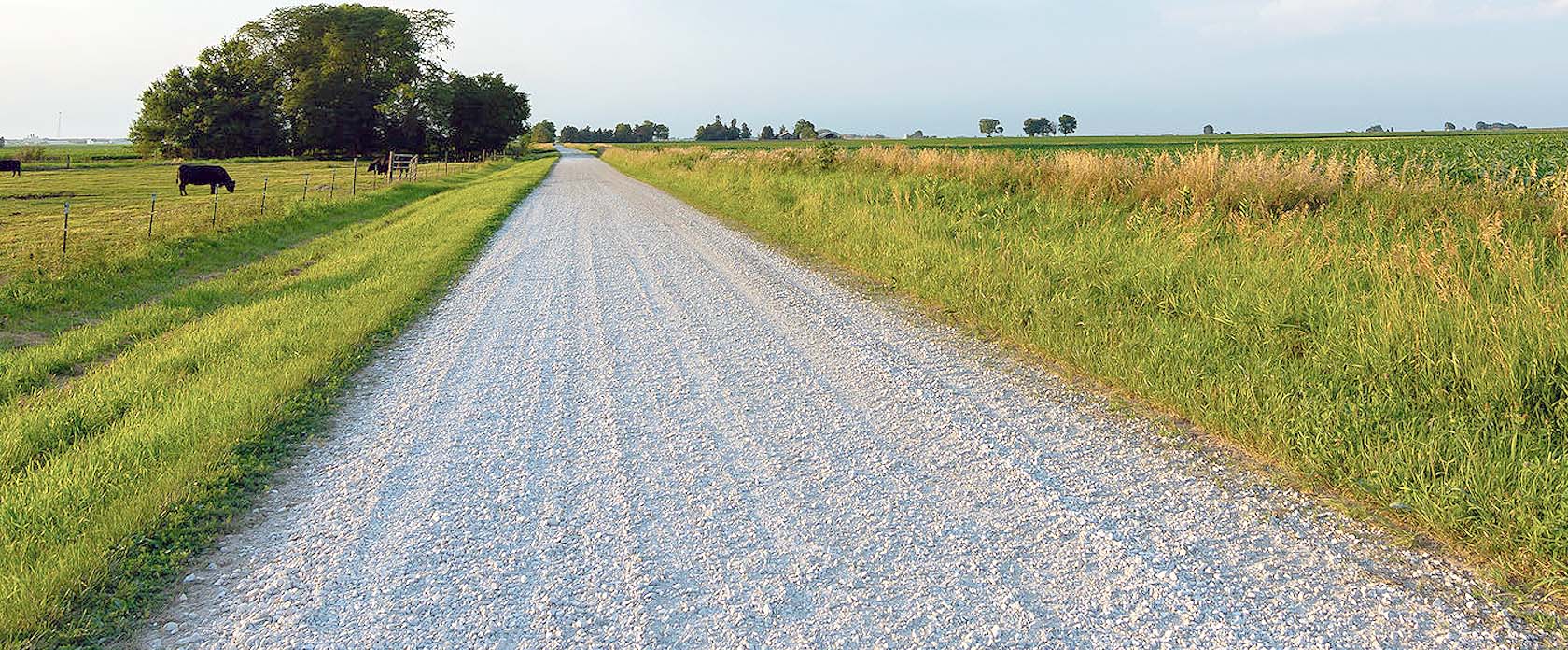
Municipal procurement teams are tasked with balancing operational demands, fiscal responsibility, and long-term infrastructure planning. Municipal Road Groomer Procurement and Fleet Value examines how the Capital I Road Groomer supports smarter procurement decisions by improving fleet efficiency, reducing lifecycle costs, and strengthening the long-term performance of gravel and unpaved road networks.
Road maintenance procurement is often influenced by public complaints, deteriorating conditions, and seasonal urgency. These pressures can lead to reactive purchasing decisions that address immediate needs but fail to deliver long-term value.
Municipalities are increasingly shifting toward strategic procurement models that emphasize preventive maintenance, asset longevity, and measurable outcomes. Equipment that supports these objectives is easier to justify and defend.
The true value of road maintenance equipment extends far beyond its initial cost. Fuel consumption, labour hours, material usage, and maintenance frequency all contribute to total expenditure.
The Capital I Road Groomer delivers value by reducing reliance on repeated grading and aggregate replacement. By conditioning existing road surfaces, municipalities can achieve better results with fewer resources.
Total cost of ownership is a critical metric in municipal procurement. The Road Groomer contributes to lower ownership costs by reducing wear on both road surfaces and fleet equipment.
Smoother roads reduce vibration and stress on trucks, graders, and service vehicles. Over time, this leads to fewer repairs, longer service intervals, and improved reliability across the fleet.
Capital planning requires predictable costs and clear performance outcomes. Equipment that extends the life of infrastructure assets supports more accurate forecasting and budget stability.
By slowing surface deterioration, the Road Groomer helps delay major rehabilitation projects. This allows municipalities to spread capital expenditures more evenly over time rather than reacting to sudden failures.
Municipal fleets must maximize utilization to justify investment. Equipment that performs a single task infrequently can become a liability rather than an asset.
The Road Groomer complements existing graders and maintenance equipment by providing specialized surface conditioning. This allows each piece of equipment to focus on what it does best, improving overall fleet efficiency.
Better utilization strengthens the business case for procurement and supports long-term asset management goals.
Procurement decisions are subject to scrutiny from auditors, councils, and the public. Equipment that delivers measurable outcomes is easier to defend.
Reduced maintenance calls, improved road conditions, and lower material usage provide tangible evidence of value. These outcomes can be tracked and reported as part of performance reviews and audits.
Reactive maintenance carries higher financial and operational risk. Emergency repairs are more expensive, disrupt schedules, and divert resources from planned work.
The Road Groomer supports preventive maintenance strategies by addressing surface issues before they escalate. This reduces the risk of unexpected failures and improves service reliability.
Procurement teams also evaluate supplier reliability. Capital I Industries brings experience in designing equipment for demanding municipal environments.
Consistent product quality, clear documentation, and accessible support reduce risk throughout the equipment lifecycle and support confident purchasing decisions.
Training requirements impact procurement outcomes. Equipment that is intuitive and consistent with existing workflows reduces training time and error rates.
The Road Groomer integrates easily into familiar maintenance practices, allowing operators to adopt it quickly. Reduced training burden lowers indirect costs associated with deploying new equipment.
Standardization simplifies fleet management. Compatible attachments reduce the need for specialized parts inventories and unique training programs.
The Road Groomer aligns with other Capital I Industries attachments, supporting a standardized approach to road maintenance equipment.
This compatibility strengthens long-term procurement strategies.
Many municipalities incorporate sustainability criteria into procurement frameworks. Road grooming supports environmental goals by minimizing aggregate hauling and reducing emissions.
Lower material consumption and fewer truck movements contribute to reduced environmental impact while maintaining road quality.
Data is playing an increasingly important role in procurement evaluation. Tracking grooming frequency, surface condition improvements, and complaint reduction provides evidence of performance.
Over time, this data supports more informed procurement decisions and helps justify future investments.
Municipal spending must demonstrate public value. Improved road conditions are visible and directly impact residents and businesses.
Investments that deliver noticeable improvements while controlling costs reinforce public trust and demonstrate responsible stewardship of funds.
Municipal Road Groomer Procurement and Fleet Value highlights how the Capital I Road Groomer supports strategic procurement by delivering operational efficiency, lifecycle cost reduction, and defensible value. For municipalities focused on proactive maintenance and long-term planning, the Road Groomer represents a practical and accountable investment.