Municipal Mower Lifecycle Value in Roadside Maintenance
Municipal Mower Lifecycle Value in Roadside Maintenance is a critical consideration for public works leaders responsible…
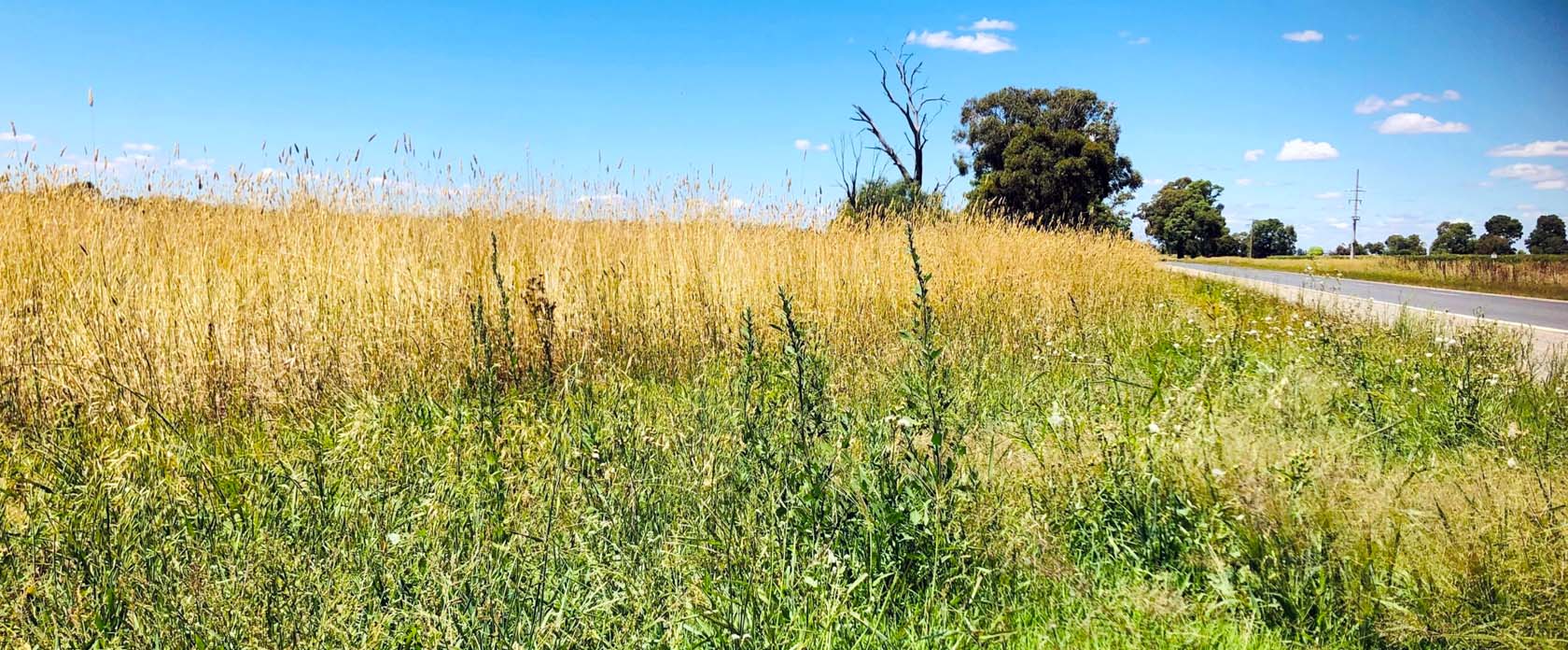
Municipal roadside vegetation control is more than an aesthetic concern. Municipal Wing-Mounted Mower for Efficient Vegetation Control explains how the Capital I Wing Mounted Mower helps municipalities manage roadside growth, protect infrastructure, and support safer travel routes. From ditch banks to large right-of-way areas, this attachment delivers consistent cutting performance while enhancing fleet productivity and aligning with procurement and lifecycle planning goals.
Vegetation control is a routine but essential component of municipal maintenance. Overgrown grass, brush, and weeds can obscure signs, reduce sightlines, impede drainage, and accelerate pavement deterioration. Traditionally, vegetation control requires multiple passes with different tools, manual labour, or contracted services, which increase costs and reduce operational efficiency.
Maintaining expansive roadside areas, parks, and right-of-way corridors demands a solution that performs consistently across varying terrain and vegetation types. A wing-mounted mower offers this capability by allowing crews to maintain larger swaths of roadside in less time.
The key advantage of a wing-mounted mower lies in its reach and cutting width. Mounted on the side of a vehicle, the mower can extend beyond the wheelbase to cut grass and vegetation along shoulders, ditches, and embankments without requiring additional attachments or equipment.
The Capital I Wing-Mounted Mower is engineered for:
• Wide cutting range
• Smooth terrain adaptation
• Reliable cutter engagement
• Ease of attachment and removal
This combination allows municipal crews to maintain roadside vegetation efficiently and consistently.
Operational efficiency is a top priority for municipal work crews who must balance multiple maintenance tasks, often under time constraints. A wing-mounted mower allows a single operator to cover more ground per hour than traditional cutting methods.
Instead of making multiple passes with a walk-behind mower or mower deck, crews can complete vegetation control in fewer passes while maintaining quality cut height and surface finish.
This efficiency translates into reduced labour hours and lower fuel use.
Vegetation that grows too tall can pose safety hazards. Reduced sightlines at intersections, obscured traffic signs, and overgrown shoulders can contribute to accidents and resident complaints.
By maintaining a consistent roadside cut, the Wing-Mounted Mower supports safer travel and clearer visibility. Crews can proactively address vegetation issues, reducing reactive maintenance and safety risks.
Municipal fleets must justify the utility of every attachment. Equipment that sits idle for portions of the year delivers low value relative to its cost.
The Capital I Wing-Mounted Mower increases fleet utilization by allowing a single base vehicle to perform multiple tasks. When used with compatible carriers, this attachment supports seasonal vegetation control without requiring the vehicle to be removed from other duties for extended periods.
Improved utilization strengthens return on investment and supports broader fleet strategies.
Procurement teams must often justify equipment purchases based on measurable performance outcomes and lifecycle value rather than initial purchase price alone.
When evaluating a wing-mounted mower, procurement officers consider:
• Expected utilization hours
• Reduced labor costs
• Maintenance savings
• Impact on contractor reliance
• Safety and public perception outcomes
A Capital I Wing-Mounted Mower delivers measurable improvements across all areas, providing quantifiable data to support capital requests.
Total cost of ownership extends beyond the acquisition cost. It accounts for operating cost, maintenance, downtime, and indirect impacts such as labour efficiency and material waste.
Railroaded equipment or attachments that require repeated adjustment or frequent breakdowns increase the total cost of ownership. The Wing-Mounted Mower is designed for robust performance with minimal maintenance disruption.
By reducing the need for contracted mowing services and lowering labour hours, municipalities can achieve cost savings over the attachment’s lifecycle.
Efficient vegetation control also relates to environmental stewardship. Well-managed roadside vegetation:
• Improves water runoff
• Reduces erosion
• Enhances roadside habitat management
Minimizing repeated passes and reducing fuel use support sustainability goals that are increasingly embedded in municipal maintenance policies and procurement frameworks.
Operator training is a key factor in successful equipment adoption. Wheel-mounted or side-mounted attachments can require nuanced control skills.
The Wing-Mounted Mower’s intuitive design allows operators to adapt quickly with minimal training. This reduces training costs and increases operator confidence, leading to improved outcomes and safer operations.
Simplified operations also support workforce flexibility, allowing crews to shift between tasks without lengthy learning curves.
Attachments that integrate well with existing fleet maintenance processes reduce workshop load and service interruptions. The Wing-Mounted Mower’s components are serviceable within standard municipal shop capabilities.
Easy access to wear parts, straightforward inspections, and predictable maintenance intervals enhance uptime and reduce disruption to work schedules.
Roadside vegetation is a highly visible aspect of municipal service. Residents often associate well-maintained roads with responsible governance and effective public works management.
Investments in equipment that produce visible improvements, such as consistent roadside cutting, contribute to positive public perception and reduce resident complaints.
Municipal procurement teams benefit from suppliers with a track record of meeting public-sector needs. Capital I Industries designs equipment that aligns with the rigorous demands of municipal use.
Reliable documentation, parts availability, and technical support reduce procurement risk and help maintain service continuity.
Municipalities increasingly use fleet data to optimize maintenance schedules and equipment deployment.
Metrics associated with wing-mounted mower use, such as area covered per hour, fuel consumption, and operational hours per month, provide insight into both operational performance and lifecycle value.
This data supports evidence-based decision-making for future capital requests and fleet optimization.
Municipal Wing-Mounted Mower for Efficient Vegetation Control highlights how the Capital I Wing Mounted Mower helps municipalities achieve safer, more cost-effective roadside vegetation management. By delivering consistent cutting performance, improving fleet utilization, and supporting defensible procurement outcomes, this attachment represents a strategic investment in infrastructure maintenance.
For municipalities seeking a comprehensive solution to roadside vegetation challenges, the Wing-Mounted Mower offers measurable operational, financial, and community benefits.