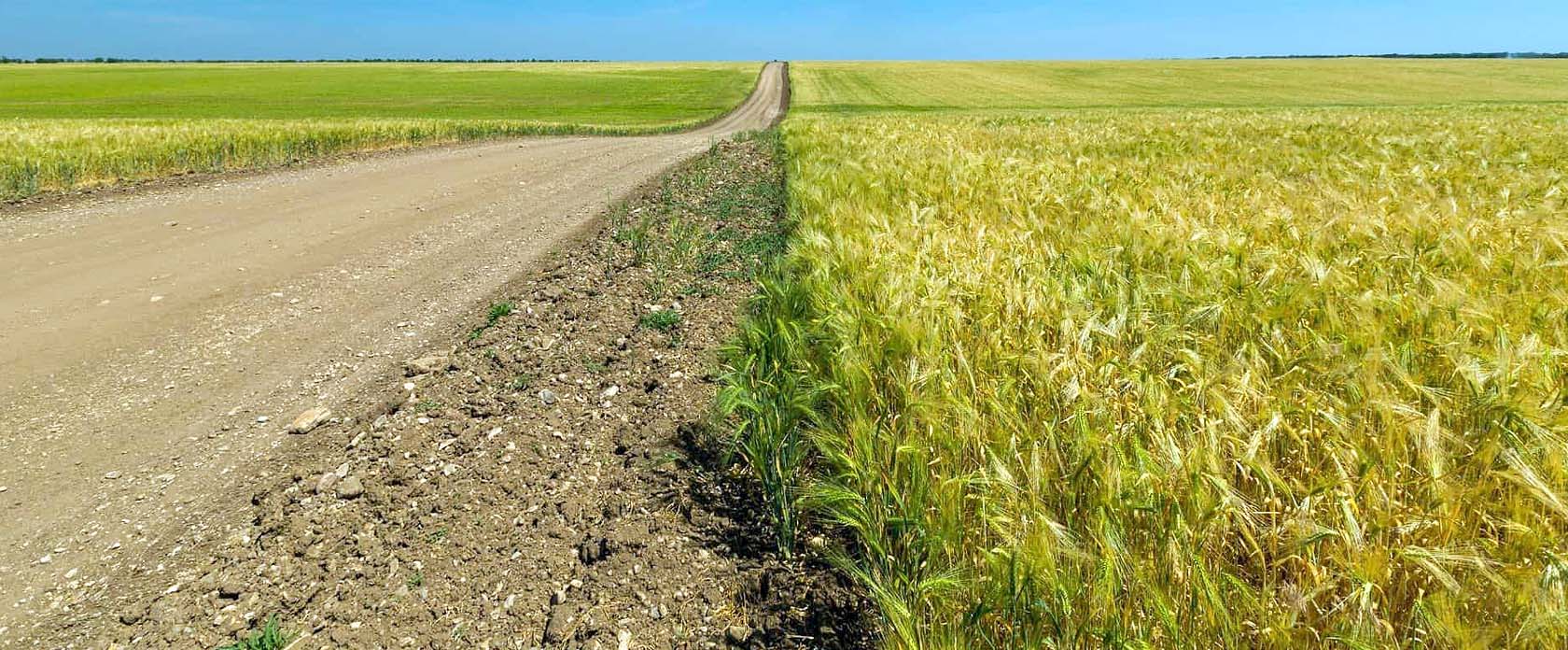
Municipal Mower Lifecycle Value in Roadside Maintenance
Municipal Mower Lifecycle Value in Roadside Maintenance is a critical consideration for public works leaders responsible…
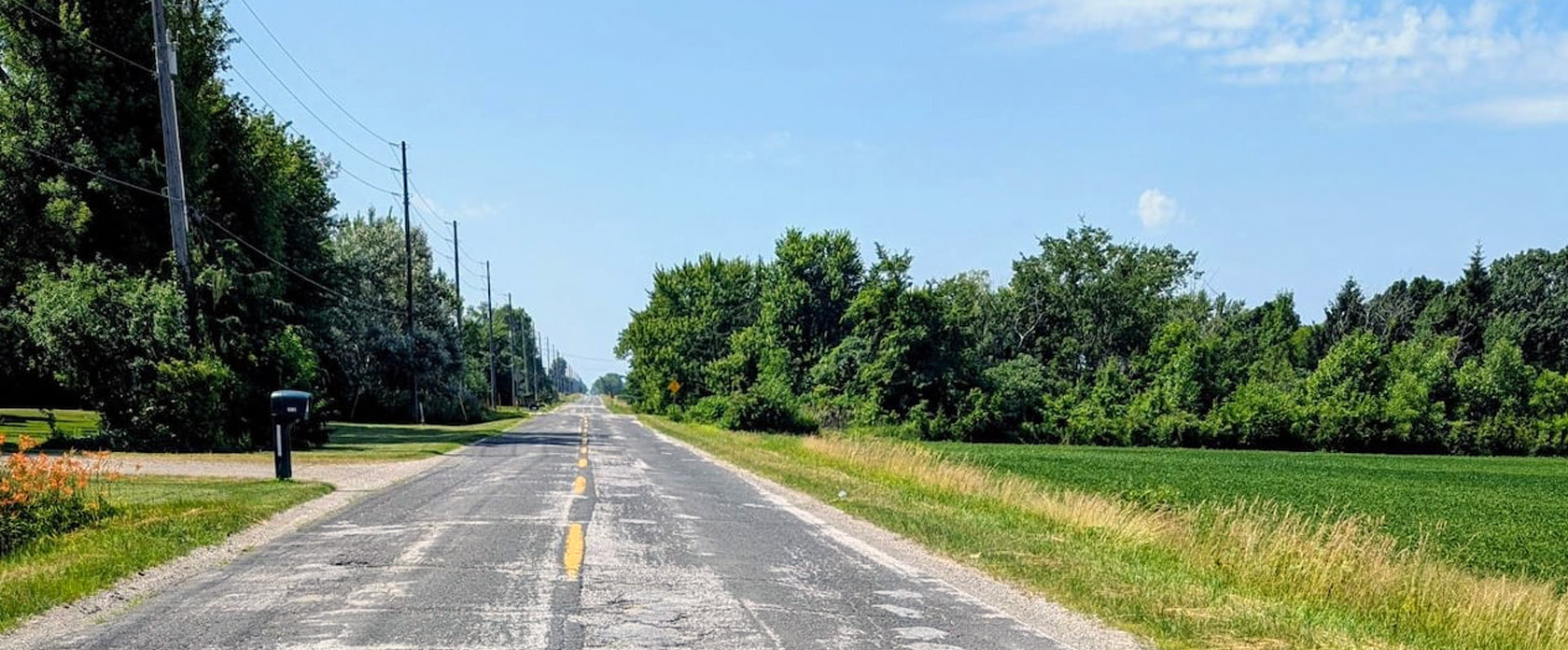
Pull-type mulcher benefits for rural road maintenance are a topic many municipalities are revisiting as roadside vegetation management becomes more critical for public safety, budget control, and long-term road performance. Rural areas face challenges that urban crews rarely encounter. Sightlines change quickly as the brush grows. Drainage ditches fill with dense vegetation. Shoulders narrow as growth creeps closer to the pavement. When seasonal cycles are short and travel distances are long, public works teams need equipment that can quickly complete large sections of road with minimal downtime. A pull-type mulcher is one of the most efficient solutions for these conditions.
This article explores why a pull-type mulcher is so effective, how it supports rural maintenance budgets, and how Capital I designs its mulcher to withstand harsh Canadian environments. It also covers related equipment that strengthens a municipality’s full-year maintenance strategy.
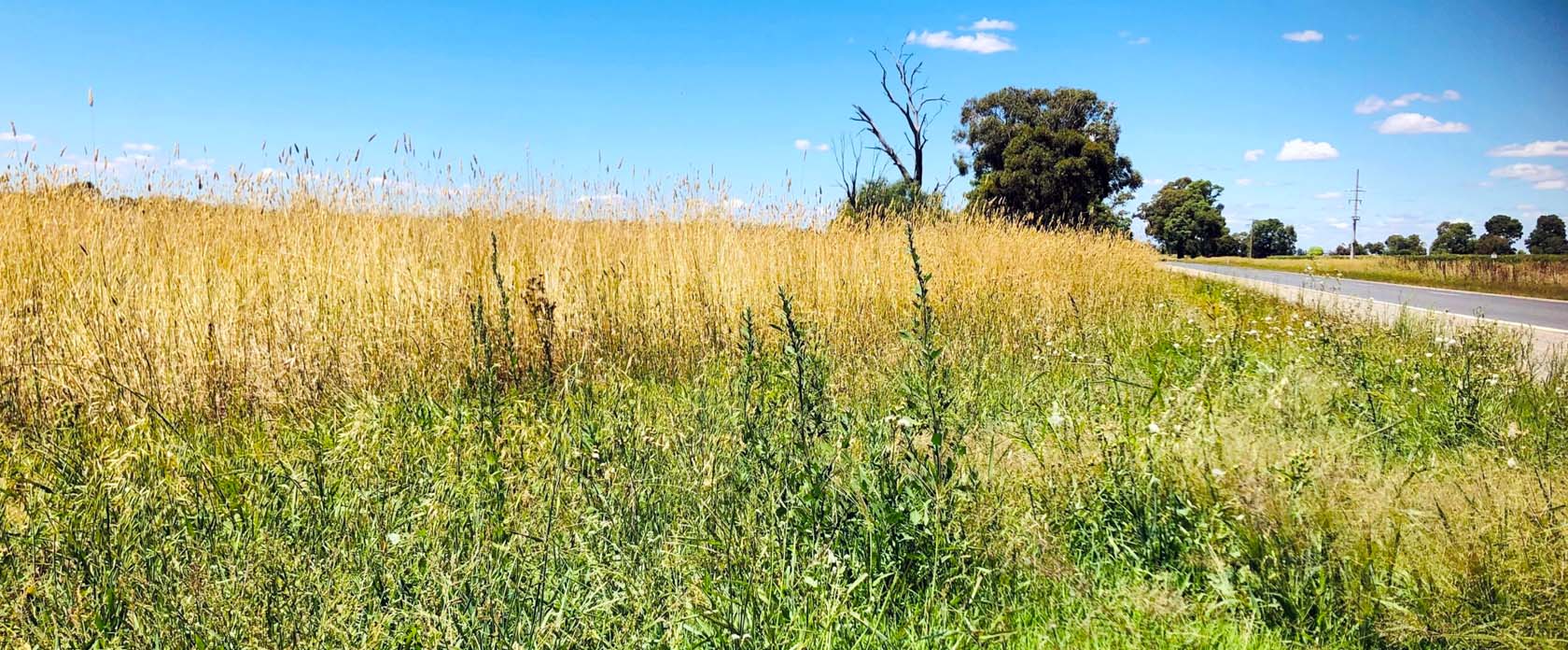
Municipal operations must handle diverse road conditions across every season. Gravel roads shift and rut. Vegetation on the roadside is more than an aesthetic concern. In rural areas where traffic speeds are typically higher, visibility plays a significant role in public safety. Overgrown brush near curves, intersections, or narrow rural lanes limits a driver’s reaction time. A clear shoulder and ditch area allows drivers to see wildlife earlier, anticipate oncoming vehicles, and navigate corners safely.
Vegetation also influences drainage. Rural roads often rely on open ditches to carry water away. When weeds become dense or tall, they slow water flow, encourage sediment buildup, and increase the risk of washouts and ponding. Poor drainage is one of the leading causes of early road failure. A consistent mulching program helps maintain the shape, depth, and function of roadside ditches.
Finally, vegetation management supports fire prevention. Dry brush along long stretches of rural roads can increase the risk of roadside ignition. Regular mulching keeps biomass low and reduces fuel accumulation.
A pull-type mulcher offers several operational benefits, making it ideal for rural environments.
Rural areas often require maintenance along many kilometres of continuous roadway. A pull-type mulcher is designed for long, steady, uninterrupted cutting. Operators can maintain a consistent speed, cover more ground per hour, and reduce the number of passes needed to keep vegetation under control.
A pull-type unit is typically paired with a tractor that the municipality already owns. This reduces the need for dedicated power units and lowers fuel consumption compared to self-contained or skid steer-mounted mulchers. Because the tractor pulls the unit rather than lifting it, you also reduce hydraulic strain and extend service life.
The horizontal orientation and floating design of a pull-type mulcher create an even finish. This avoids missed patches and uneven cuts that can happen with vertical or front-mounted equipment. A consistent finish supports drainage flow and makes roadsides look professionally maintained.
Some municipalities rely on herbicides to manage vegetation when mechanical equipment cannot achieve complete control. A pull-type mulcher cuts vegetation low and evenly, removing the need for chemical solutions in many areas. This supports environmental goals and reduces long-term spending.
Capital I’s pull-type mulcher is engineered for the specific challenges Canadian municipalities face. Roadside growth in colder climates often includes tough brush, woody stems, and dense grasses. Equipment must be able to cut through heavy vegetation without slowing down or causing belt failures.
The frame is built to handle regular contact with uneven ground and thick vegetation. Rural terrains often include hidden debris or sudden dips. A strong frame prevents bending, cracking, and stress fatigue.
The blades and driveline are designed to maintain speed even in heavy material. This reduces bogging and allows the operator to keep moving, even through dense brush.
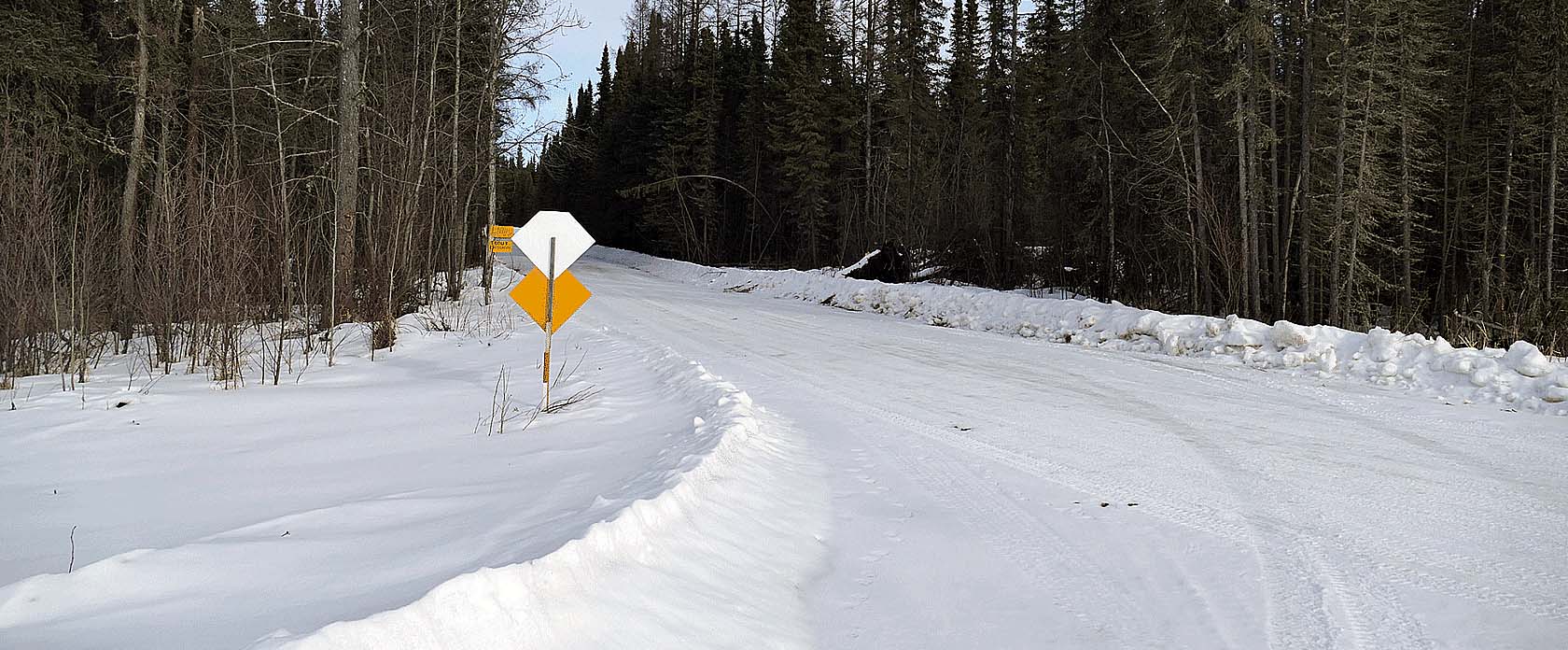
Canadian municipalities work in conditions ranging from wet spring ditches to frozen late-season ground. The mulcher is built to handle temperature swings, moisture, and abrasive material that would accelerate wear on lesser equipment.
This is the most common use. A pull type mulcher keeps shoulders clear, reduces moisture retention, and supports drainage.
Mulching reduces available fuel for fire spread. Municipalities in dry or forested areas benefit from seasonal clearing work.
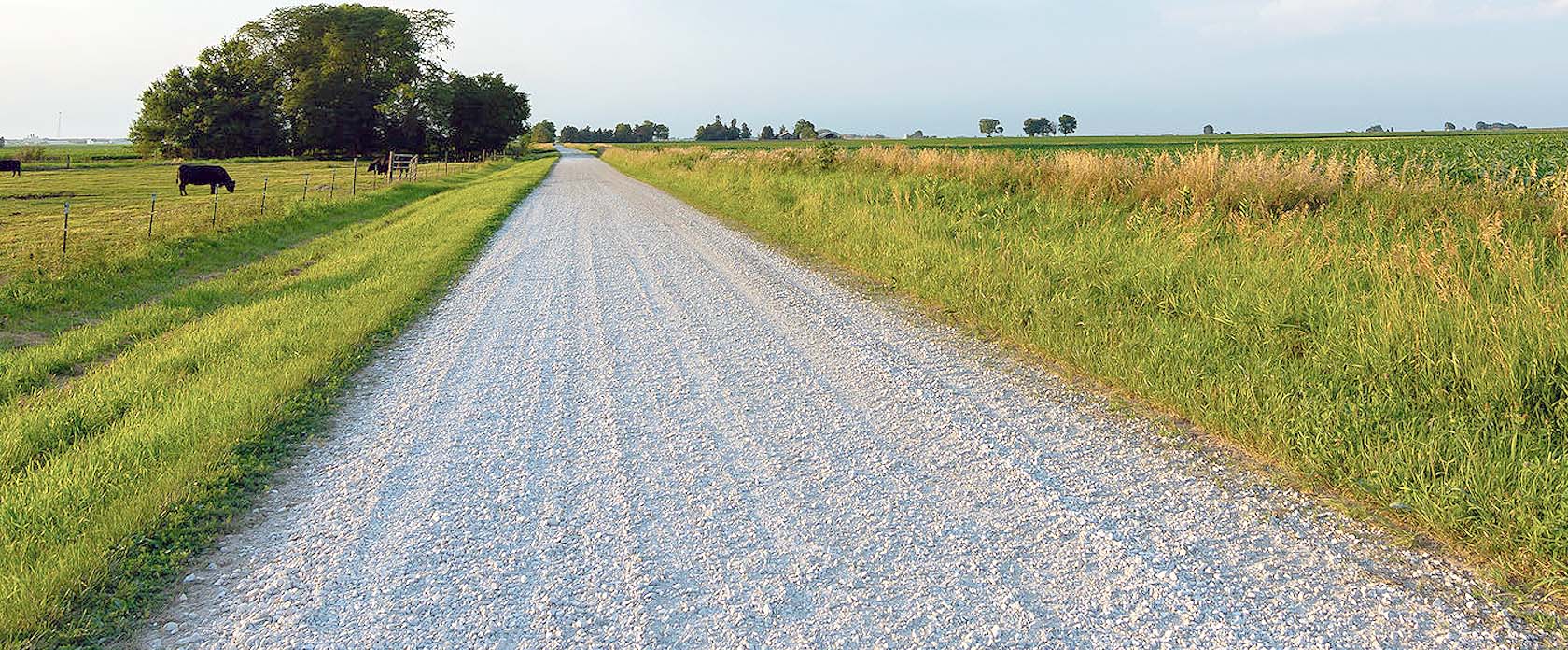
Many gravel routes develop vegetation creep along the edges. Mulching keeps the road width intact and reduces the need for frequent grading.
When a stretch of road is more than a few kilometres long, a pull-type mulcher becomes significantly more efficient than a skid steer-mounted system.
Budgets in rural municipalities are often tight. Equipment purchases must show long-term value. A pull-type mulcher supports budget efficiency in several ways:
Because the tractor provides the power, fuel consumption remains predictable and manageable.
Fewer hydraulic components mean fewer points of failure. Blade systems are easier and faster to service.
A pull-type setup creates a smoother operating experience, allowing crews to complete longer stretches without strain.
Heavy-duty construction extends lifespan, which spreads the investment cost across many seasons.
Pull-type mulcher benefits for rural road maintenance demonstrate why this equipment has become a mainstay for municipalities across Canada. Its efficiency, durability, and cost-effectiveness make it ideal for long corridors, rural landscapes, and vegetation that grows quickly during short seasons. When paired with other Capital I road maintenance tools, a pull-type mulcher becomes part of a stronger maintenance strategy that supports safety, drainage performance, and long-term infrastructure protection.