Municipal Mower Lifecycle Value in Roadside Maintenance
Municipal Mower Lifecycle Value in Roadside Maintenance is a critical consideration for public works leaders responsible…
Municipal public works departments are under constant pressure to maintain safe, reliable road networks while controlling costs and maximizing fleet efficiency. Road Groomer Equipment for Municipal Road Maintenance outlines how the Capital I Road Groomer helps municipalities improve gravel and unpaved road conditions, reduce long-term maintenance costs, and support more effective use of existing equipment fleets.
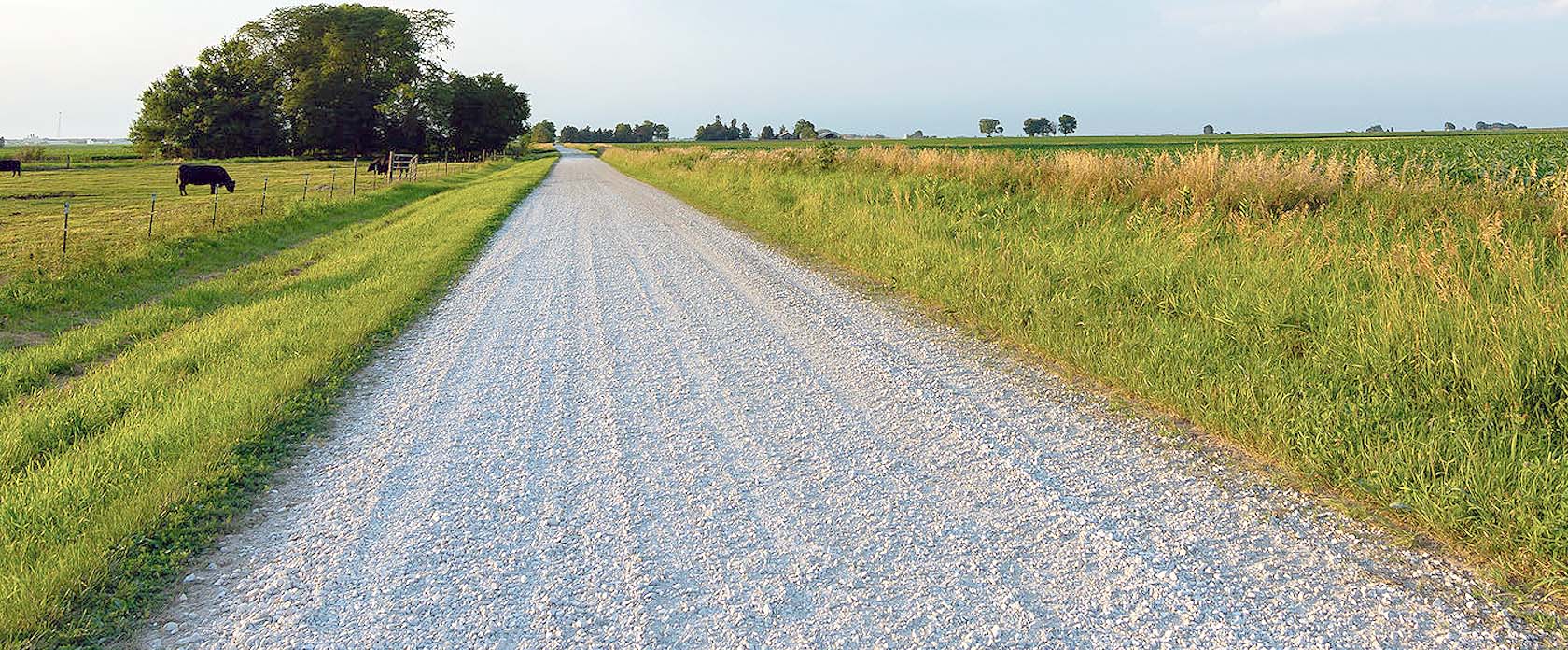
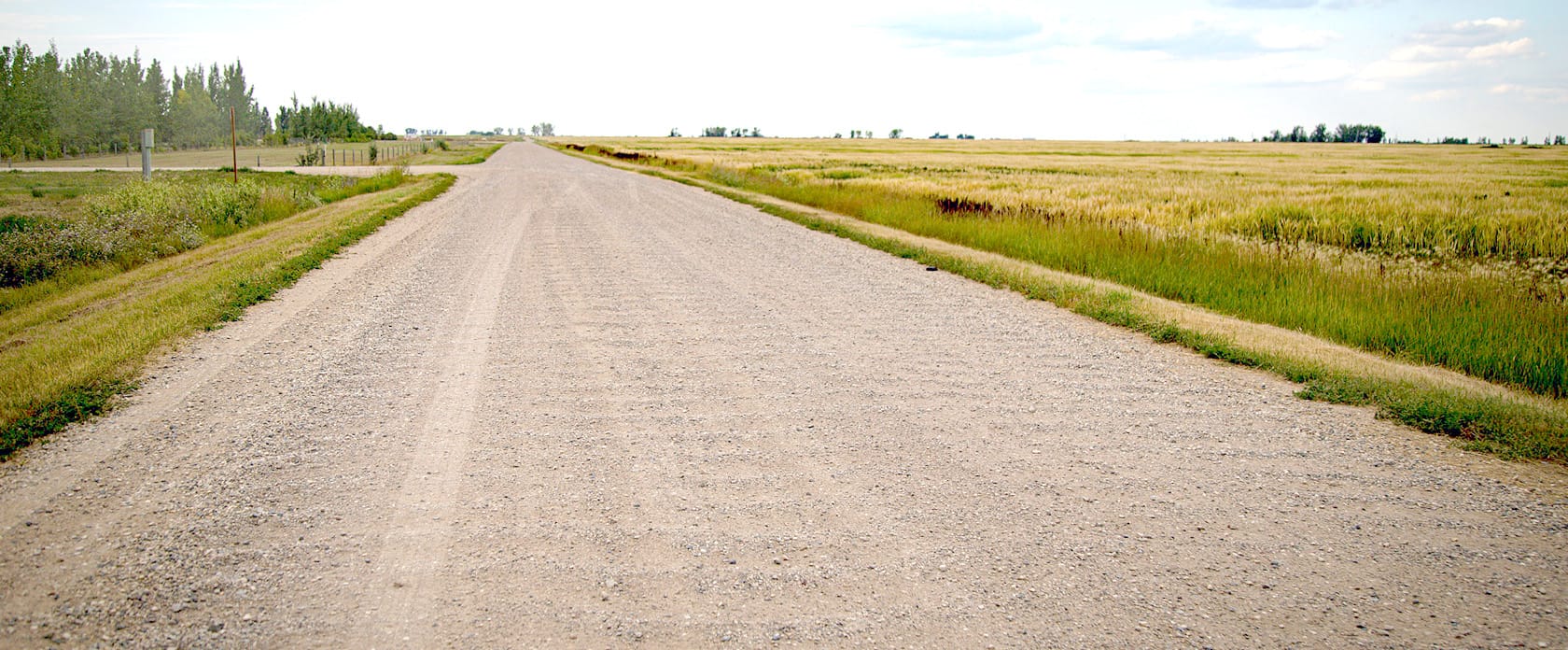
Many municipalities maintain extensive networks of gravel, rural, and seasonal roads. These roads are highly susceptible to surface deterioration caused by traffic volume, weather cycles, and material displacement. Washboarding, potholes, rutting, and poor drainage are common issues that reduce road quality and increase maintenance demands.
Traditional responses often involve repeated grading or adding a new aggregate. While necessary, these approaches are resource-intensive and do not always address underlying surface problems. Over time, costs escalate while road conditions continue to decline.
Road grooming focuses on surface rehabilitation rather than material replacement alone. The Capital I Road Groomer is engineered to break up compacted surfaces, reblend aggregate, and restore a uniform driving surface in fewer passes than conventional methods.
By conditioning the existing road material, the groomer helps municipalities get more value from the aggregate they already own. This approach improves ride quality while reducing the frequency of major maintenance interventions.
Efficiency is a core concern for municipal supervisors managing limited staff and equipment. The Road Groomer allows crews to quickly correct surface defects, reducing the number of passes required to achieve acceptable results.
Fewer passes translate directly into lower fuel consumption, reduced operator hours, and less wear on machines. This efficiency becomes especially important during peak maintenance seasons when equipment availability is constrained.
Fleet utilization is a key performance indicator for municipal equipment programs. Machines that are limited to narrow functions often sit idle while others are overused.
The Capital I Road Groomer complements graders and other road maintenance attachments by providing a specialized surface conditioning tool that can be deployed as needed. This allows municipalities to balance workloads across the fleet rather than relying on a single piece of equipment for all surface maintenance tasks.
Improved utilization strengthens the overall return on investment for municipal fleets.
From a procurement standpoint, equipment purchases must be defensible, transparent, and aligned with long-term planning objectives. The Road Groomer provides clear justification through measurable operational and financial benefits.
Reduced aggregate replacement, lower labour hours, and fewer service calls contribute to cost avoidance that can be documented during budget reviews and audits. These outcomes support procurement decisions based on total value rather than upfront cost alone.
Lifecycle cost includes acquisition, operation, maintenance, and eventual replacement. Equipment that reduces stress on road surfaces also reduces stress on the fleet maintaining those roads.
By proactively improving surface conditions, the Road Groomer helps reduce emergency repairs and unplanned maintenance events. Over time, this lowers maintenance costs for both road infrastructure and equipment.
Compatibility with other Capital I Industries attachments supports standardized fleet strategies and simplifies training and parts inventory.
Poorly maintained gravel roads increase the risk of vehicle damage, accidents, and service disruptions. Emergency responders, school transportation, and commercial vehicles all rely on consistent road conditions.
Regular grooming improves surface uniformity, drainage, and traction. These improvements contribute directly to safer roadways and fewer complaints from residents and road users.
Material hauling and replacement carry both financial and environmental costs. By restoring existing aggregate rather than replacing it frequently, road grooming supports sustainable maintenance practices.
Reduced hauling lowers emissions and minimizes disruption to surrounding communities. This aligns with sustainability goals increasingly included in municipal procurement policies.
Municipalities are moving toward data-driven condition-based maintenance strategies. Road grooming fits well within this framework by addressing surface issues early.
Tracking grooming frequency, surface improvements, and complaint reductions provides valuable data for future capital planning. Over time, this information supports better forecasting and more accurate budget allocation.
Road conditions are one of the most visible indicators of municipal service quality. Residents quickly notice improvements and equally notice neglect.
Investing in road grooming demonstrates proactive infrastructure management and responsible use of public funds. Visible improvements help build public confidence and reduce negative feedback directed at public works departments.
The Road Groomer is most effective when integrated into a comprehensive maintenance program that includes grading, drainage management, and seasonal planning.
Used strategically, grooming can extend the intervals between major grading operations and reduce the need for costly reconstruction. This integrated approach improves overall program efficiency.
Road Groomer Equipment for Municipal Road Maintenance highlights how the Capital I Road Groomer delivers balanced value across operations, procurement, and lifecycle management. By improving surface conditions efficiently and sustainably, municipalities can reduce long-term costs, improve safety, and make better use of existing fleet resources.
For public works departments focused on proactive maintenance and responsible capital planning, road grooming is a practical and effective solution.