Municipal Mower Lifecycle Value in Roadside Maintenance
Municipal Mower Lifecycle Value in Roadside Maintenance is a critical consideration for public works leaders responsible…
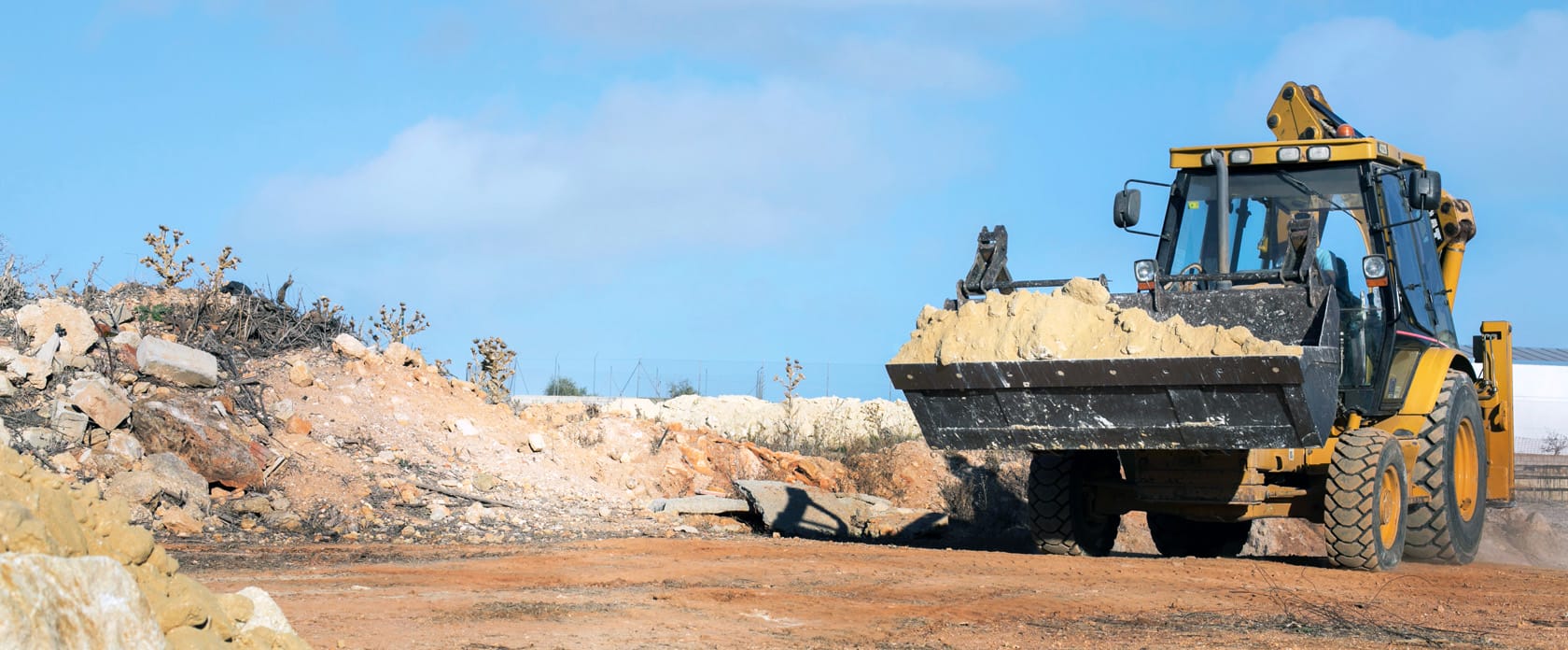
Municipal fleet managers and procurement leaders are increasingly focused on standardization to control costs, improve service delivery, and reduce operational complexity. Standardizing Municipal Fleets With a Dozer Blade System examines how the Capital I Dozer Blade supports these goals by enabling consistent performance across departments, vehicles, and work programs. By selecting a versatile, heavy-duty dozer blade as a core attachment, municipalities can simplify procurement decisions and strengthen their long-term fleet strategy.
Many municipal fleets grow through incremental purchases rather than coordinated planning. Attachments are often acquired to address immediate needs, seasonal pressures, or short-term funding opportunities. Over time, this creates fragmented inventories where similar tasks require different tools, mounting systems, and maintenance processes.
This fragmentation increases administrative workload and introduces inefficiencies. Procurement teams face more complex evaluations, maintenance teams manage larger parts inventories, and operators must adapt to varying equipment behaviours. A standardized dozer blade helps resolve these challenges by offering a single attachment capable of supporting multiple operational needs.
Modern procurement frameworks emphasize consistency, transparency, and repeatable value. Standardized equipment aligns well with these principles by reducing variability between purchases and simplifying technical evaluations.
When a municipality adopts a standard dozer blade specification, future procurements become more efficient. Bid submissions are easier to compare, compliance checks are clearer, and supplier performance can be measured against known criteria. This consistency strengthens audit readiness and supports defensible procurement decisions.
The Capital I Dozer Blade meets these requirements due to its durable construction, predictable performance, and compatibility with common municipal equipment platforms.
Fleet utilization is a key performance indicator for public sector asset management. Attachments that can be shared across departments and work crews deliver a more substantial return on investment than highly specialized tools.
A standardized dozer blade supports shared use by allowing multiple vehicles to perform grading, material pushing, shoulder maintenance, and site preparation tasks. This flexibility enables fleet managers to redeploy assets as priorities change, improving utilization rates across the year.
Higher utilization also strengthens capital planning by demonstrating that existing assets are being used efficiently before additional purchases are requested.
Municipal equipment must deliver value beyond a single season. Attachments limited to narrow applications often sit idle for extended periods, reducing their overall contribution.
The Capital I Dozer Blade provides multi-season functionality. It supports spring cleanup, summer road maintenance, fall site preparation, and winter material handling. This extended operating window spreads acquisition costs across more working hours and reduces idle time.
From a procurement perspective, this directly supports value-for-money assessments and lifecycle cost evaluations.
Maintenance costs are a major contributor to the total cost of ownership. Diverse attachment inventories increase the number of parts, tools, and service procedures maintenance teams must manage.
Standardizing on a dozer blade reduces this burden. Fewer unique components simplify parts stocking, and a consistent design allows maintenance staff to develop a deeper familiarity with the equipment. This reduces diagnostic time, lowers error rates, and improves equipment availability.
These efficiencies support procurement goals focused on lifecycle management and long-term cost control.
Municipal workforces often include a mix of full-time staff, seasonal operators, and cross-trained personnel. Training requirements increase as attachment diversity grows.
A standardized dozer blade simplifies operator training. Skills transfer more easily between vehicles and job sites, reducing onboarding time and supervision demands. Consistent equipment behaviour also improves safety and task efficiency.
Procurement teams can include these workforce benefits when evaluating overall equipment value.
Standardized attachments support more predictable capital planning. When equipment specifications are consistent, replacement schedules can be aligned and forecast with greater accuracy.
Instead of managing multiple replacement timelines for different attachment types, municipalities can plan phased upgrades based on usage data and condition assessments. This approach supports stable budgeting and reduces the likelihood of unplanned capital requests.
The durability of the Capital I Dozer Blade further supports extended replacement intervals and long-term financial planning.
Standardization allows municipalities to work more closely with a smaller number of suppliers. This reduces administrative overhead and improves service outcomes.
By standardizing around a dozer blade from Capital I Industries, procurement teams benefit from clearer communication, consistent pricing structures, and stronger supplier accountability. Over time, this leads to faster service response, improved warranty support, and better product knowledge.
Operational risk increases when crews rely on unfamiliar or mismatched equipment. Inconsistent attachments can introduce safety hazards, increase wear on host machines, and slow response times during critical work periods.
Standardizing on a dozer blade with a known specification reduces these risks. Operators understand equipment behaviour, maintenance teams know service limits, and supervisors can plan work with confidence. This alignment strengthens procurement justification by supporting public safety and service continuity objectives.
Many municipalities operate under formal asset management frameworks that require documented lifecycle planning and performance tracking. Standardized equipment integrates naturally into these systems.
A single dozer blade platform allows consistent data collection on usage, maintenance, and condition. This data supports evidence-based decisions and aligns procurement activities with broader asset management goals, including sustainability and long-term service delivery.
Standardizing Municipal Fleets With a Dozer Blade System demonstrates how thoughtful attachment selection can deliver lasting value. The Capital I Dozer Blade supports municipal procurement objectives by reducing complexity, improving utilization, lowering lifecycle costs, and strengthening capital planning.
For municipalities seeking efficient, defensible fleet strategies, standardization around a reliable dozer blade is a practical and forward looking approach.