Municipal Snow Removal Equipment | Plan for Winter Early
Municipal Snow Removal Equipment Planning Starts Before Winter For municipal public works departments, municipal snow removal…
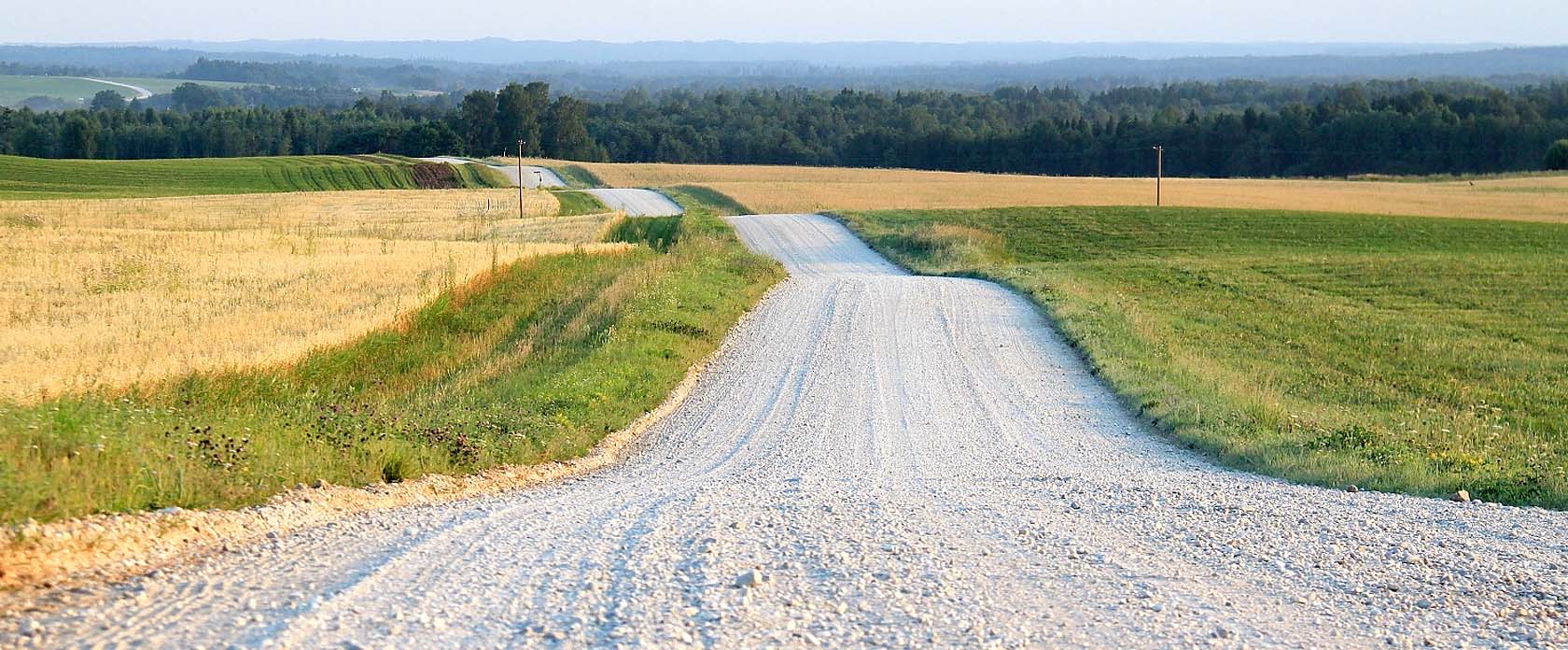
Gravel road maintenance strategy for municipalities, rural communities, and contractors is no longer optional. Rising material costs, increasing traffic demands, freeze-thaw damage, and tighter municipal budgets are forcing public works teams to think further ahead. As a result, municipalities that rely only on reactive maintenance often face higher costs, shorter road life, and more resident complaints.
A long term strategy helps municipalities prioritize maintenance schedules, improve equipment planning, reduce repeated grading cycles, and extend the life of gravel roads. In addition, it creates a more predictable operational plan for public works departments and procurement teams. Therefore, municipalities can make better infrastructure decisions while improving service levels across rural road networks.
The first step in any 5-year gravel road maintenance strategy is understanding the current condition of the road network. Without accurate data, municipalities may spend money in the wrong areas while critical sections continue to deteriorate.
Public works teams should begin by identifying:
Once these areas are identified, municipalities can prioritize maintenance schedules based on operational need and long term risk. For example, roads servicing agricultural traffic, school bus routes, or emergency access should often receive priority attention.
At the same time, municipalities should document grading frequency, gravel loss, and seasonal repair costs. This information creates a baseline that helps teams measure improvements over the next five years.
Many municipalities still rely heavily on reactive maintenance. However, repeated emergency repairs usually cost more over time and often create inconsistent road conditions.
Instead, a preventative approach focuses on maintaining proper road shape, drainage, and surface consistency before roads begin to fail. Consequently, municipalities can reduce major repair costs and improve road performance throughout the year.
Key preventative maintenance activities include:
Preventative maintenance also improves operational efficiency. Rather than dispatching crews repeatedly to the same problem areas, public works teams can follow a structured maintenance schedule that supports predictable workloads.
This is where modern equipment becomes especially important. Municipalities that invest in specialized road maintenance equipment often reduce labour hours, fuel usage, and unnecessary material replacement.
For example, products from Capital I Industries can support long-term gravel road maintenance planning by helping municipalities improve efficiency across multiple maintenance tasks.
Equipment planning is one of the most overlooked parts of municipal road maintenance strategies. Nevertheless, aging equipment, operator shortages, and rising repair costs can significantly impact maintenance schedules.
Over a five year period, municipalities should evaluate:
In many cases, municipalities can improve performance by using equipment designed specifically for gravel road reshaping and reclamation.
For example, the Gravel Reclaimer/Sloper from Capital I Industries helps municipalities reclaim gravel that has migrated to road shoulders while rebuilding the proper road profile. As a result, municipalities can reduce gravel loss and improve surface consistency without constantly adding new material.
Similarly, the Road Groomer from Capital I supports regular surface maintenance by improving grading efficiency and reducing washboarding. Therefore, operators can maintain smoother road conditions with fewer passes.
Long term equipment planning also helps procurement teams justify purchases based on lifecycle value rather than initial purchase price alone. Consequently, municipalities can better align capital investments with long term infrastructure goals.
Drainage remains one of the biggest factors affecting gravel road performance. Even well maintained roads deteriorate quickly when water cannot move away from the road surface effectively.
Because of this, municipalities should include drainage improvement projects throughout their five year maintenance schedule.
Common drainage priorities include:
Road shape also plays an important role in long term performance. Roads with inadequate crown often trap water on the driving surface, which increases potholes, erosion, and washboarding.
By focusing on proper shaping and drainage early, municipalities can reduce future maintenance demands while extending road life.
A successful 5-year gravel road maintenance strategy should include clearly defined seasonal priorities. Since road conditions change throughout the year, maintenance schedules should adapt accordingly.
In spring, municipalities often focus on:
During summer, priorities may include:
In fall, public works teams should prepare roads for winter by:
This structured approach improves operational planning while helping municipalities allocate labour and equipment more efficiently throughout the year.
Procurement decisions should support the broader maintenance strategy rather than solving only short term operational issues.
Too often, municipalities purchase equipment based solely on immediate budget constraints. However, lower cost equipment may require more labour, additional passes, or higher long term maintenance expenses.
Instead, procurement teams should evaluate:
Municipalities should also consider whether equipment can support multiple maintenance applications.
For example, equipment solutions from Capital I Industries are designed to support road shaping, reclamation, vegetation management, and seasonal maintenance activities. Therefore, municipalities can maximize equipment utilization across multiple departments and projects.
In addition, long-term procurement planning improves budget forecasting. This allows councils and public works leaders to plan capital expenditures more effectively over several budget cycles.
A five-year strategy should remain flexible. Municipalities should regularly review maintenance outcomes and adjust priorities as conditions change.
Important performance indicators may include:
By tracking these metrics annually, municipalities can identify what is working and where improvements are still needed.
In many cases, even small operational changes can create significant long term savings. For example, improving road crown consistency or reclaiming migrated gravel may reduce maintenance demands across entire road sections.
Building a successful 5-year gravel road maintenance strategy requires more than occasional grading and seasonal repairs. Instead, municipalities need a balanced approach that combines operational planning, preventative maintenance, equipment investment, and long term procurement strategy.
When municipalities focus on road preservation rather than constant reaction, they often improve service quality while controlling costs more effectively. At the same time, public works teams gain better scheduling consistency, improved equipment utilization, and stronger long-term infrastructure performance.
By incorporating modern maintenance equipment and structured planning into the process, municipalities can create safer, smoother, and more reliable gravel road networks for years to come.
Building a successful 5-year gravel road maintenance strategy requires municipalities to balance preventative maintenance, operational efficiency, and long-term procurement planning. By taking a proactive approach, public works teams can reduce the need for repeated repairs, extend road life, and improve overall service quality across rural road networks.
The right equipment also plays a major role in long term success. From gravel reclamation to road shaping and seasonal maintenance, solutions from Capital I Industries can help municipalities improve efficiency while supporting long-term infrastructure goals.
To learn more about building a smarter maintenance plan, contact Capital I Industries to discuss how the right equipment solutions can support your 5-year gravel road maintenance strategy.