Municipal Snow Removal Equipment | Plan for Winter Early
Municipal Snow Removal Equipment Planning Starts Before Winter For municipal public works departments, municipal snow removal…
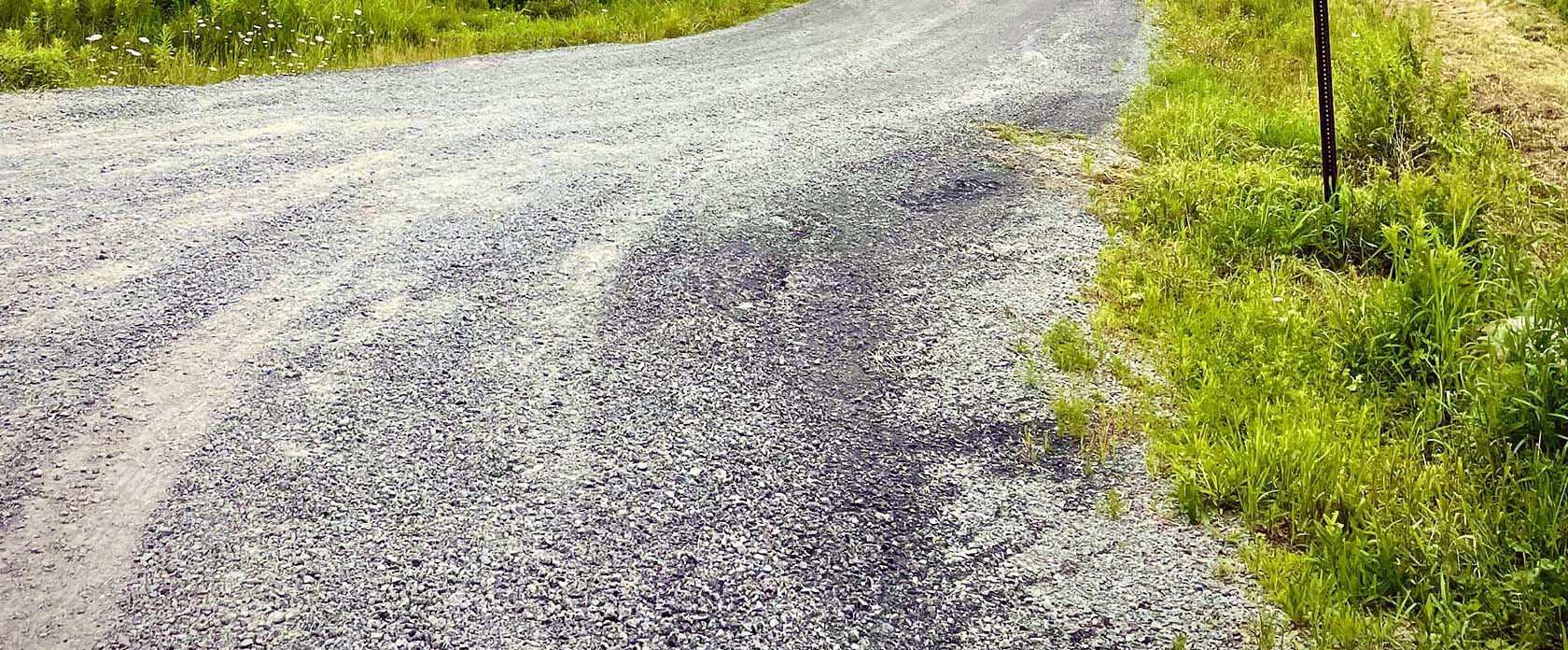
Municipalities are under increasing pressure to maintain larger, more complex road networks while working within constrained budgets and limited staffing. At the same time, expectations for road quality, safety, and responsiveness continue to rise across rural roads, residential subdivisions, park systems, campgrounds, and agricultural access routes.
As a result, many public works departments are rethinking their approaches to maintenance planning, equipment allocation, and fleet utilization. Rather than relying solely on additional capital investment, municipalities are increasingly focused on improving efficiency by better using existing municipal road maintenance equipment.
This shift is not about replacing core assets such as motor graders. Instead, it is about expanding capability across the fleet to complete more work, more often, with fewer resources.
Municipal maintenance teams are responsible for a wide range of infrastructure, often spread across large geographic areas. These responsibilities typically include gravel roads, shoulders, park roadsides, campground loops, rural subdivisions, and utility access corridors.
In many cases, these assets require frequent light maintenance rather than large-scale reconstruction. However, when resources are limited, smaller tasks may be delayed until a full-size grader becomes available.
This creates a backlog effect where minor surface issues develop into larger maintenance challenges over time. Consequently, crews are forced to spend more time and resources addressing problems that could have been managed earlier in the cycle.
Traditional municipal fleet models often rely heavily on a small number of high-capacity machines, such as motor graders, to perform most road maintenance work. While effective for major projects, this approach can limit flexibility in day-to-day operations.
For example, when a motor grader is scheduled for a primary road network, secondary tasks such as campground maintenance or park road repairs may be postponed. This reduces responsiveness and can lead to uneven service levels across the municipality.
In addition, mobilizing large equipment for small-scale work can result in higher fuel consumption, increased wear, and inefficient use of operator time.
As municipalities take on more infrastructure with limited budget growth, this model becomes increasingly difficult to sustain.
One of the most effective strategies for improving efficiency is to maximize the use of existing fleet assets. Many municipalities already operate tractors, loaders, and utility vehicles for seasonal or non-road applications.
By enabling these machines to perform light grading tasks, municipalities can significantly increase their operational capacity without purchasing additional dedicated equipment.
This approach improves flexibility across the fleet and allows maintenance teams to respond more quickly to localized issues.
It also supports a more distributed maintenance model, where work is completed closer to the time and location of need rather than waiting for centralized equipment to become available.
Municipal road maintenance equipment is often deployed across a wide range of environments. Some of the most common areas where efficiency gains can be achieved include:
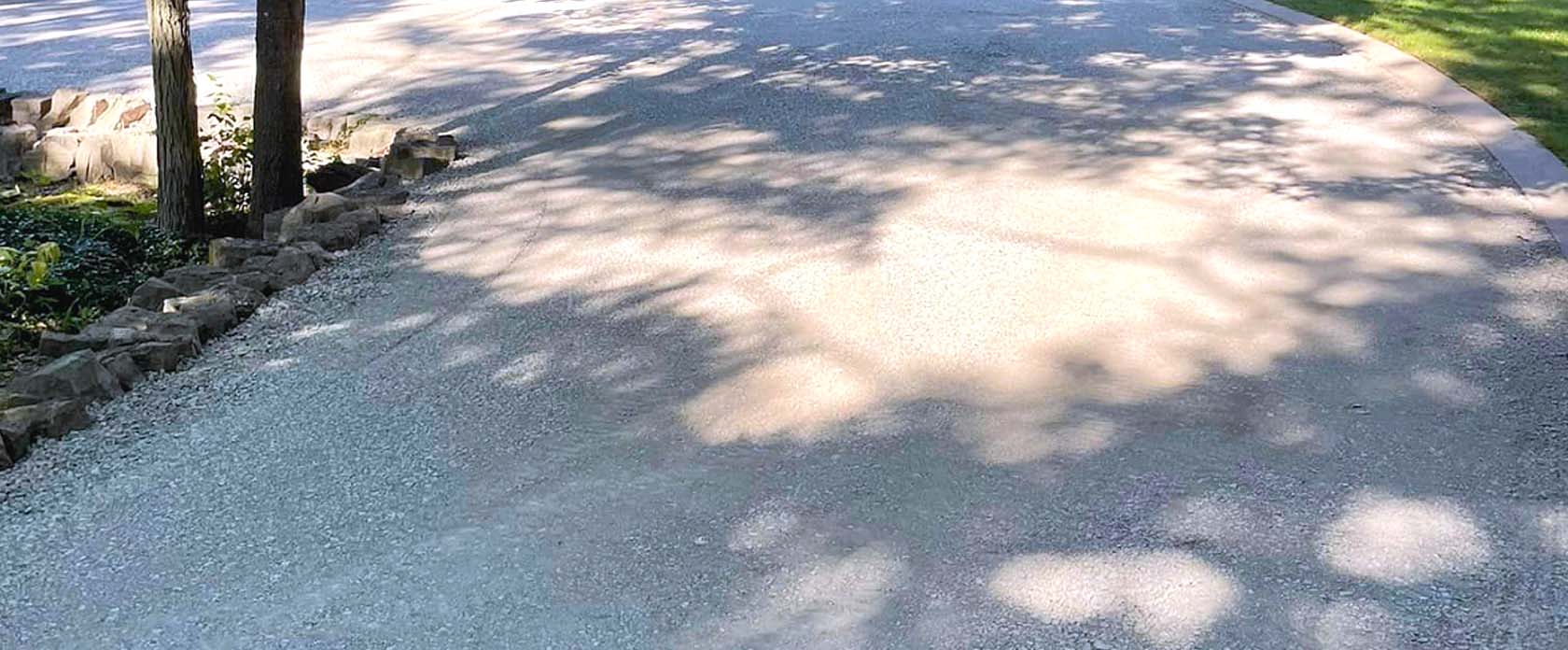
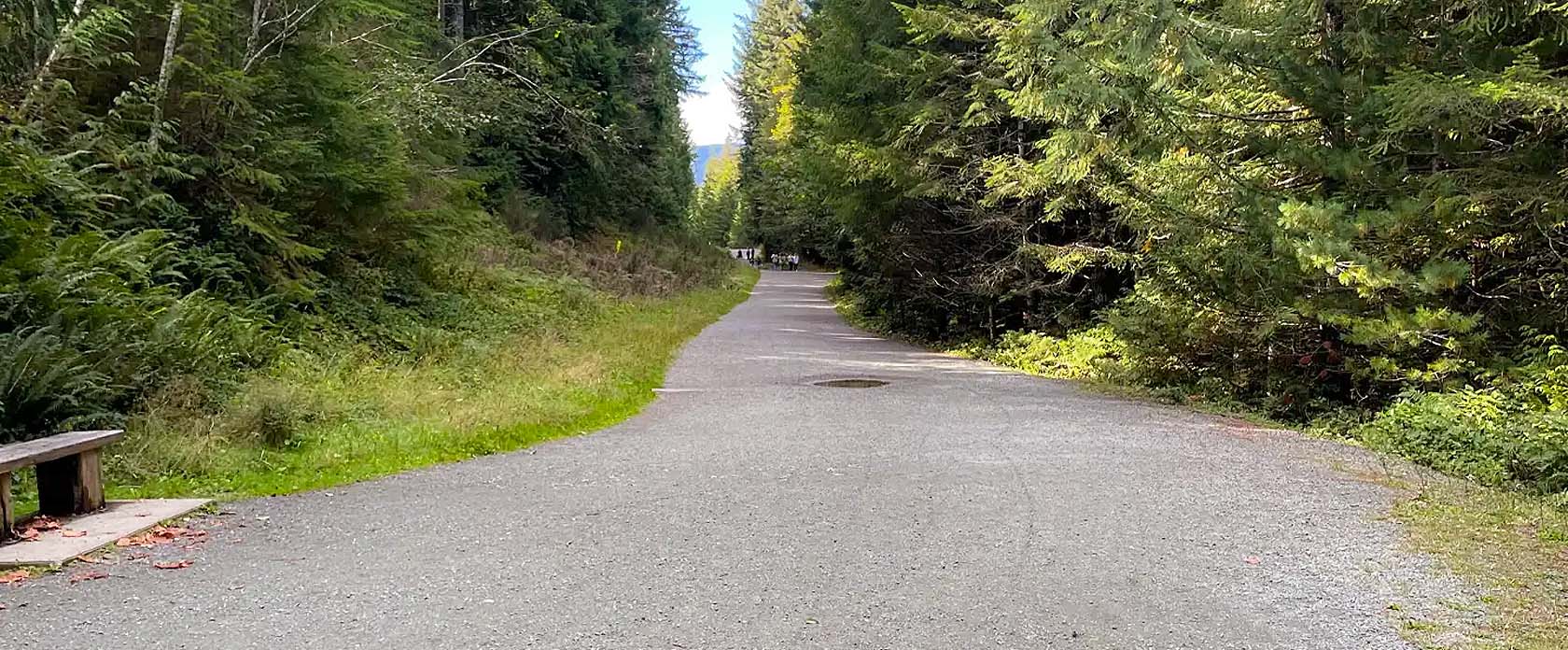
Low-volume gravel roads require regular surface maintenance to preserve drainage, reduce washboarding, and maintain safe travel conditions.
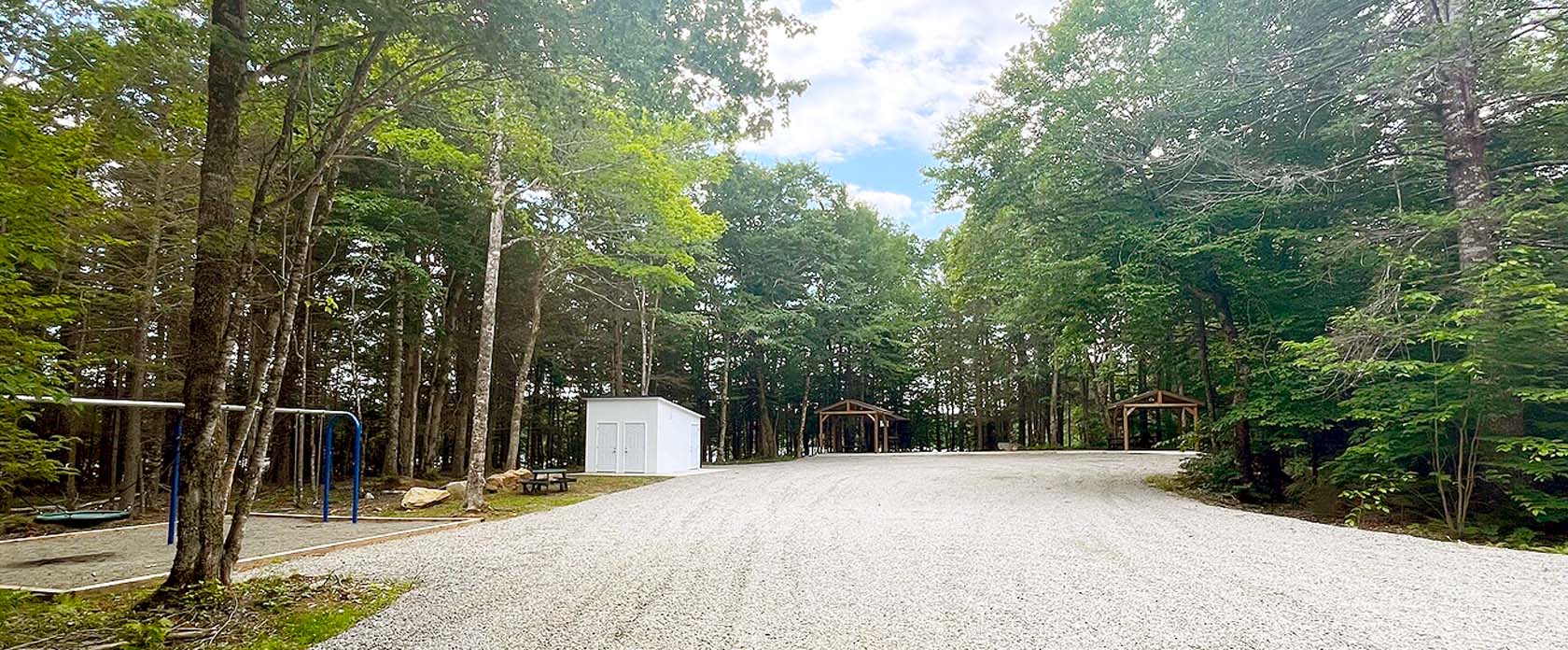
Campground loops, parking areas, and service roads experience high seasonal traffic and benefit from frequent light maintenance.
Park roadsides and service corridors require ongoing upkeep to remain safe and accessible for public use.
Shoulder maintenance is essential for protecting road edges and ensuring proper drainage performance.
Farm lanes and field access roads are critical to agricultural productivity and require consistent maintenance year-round.
In each of these areas, smaller-scale grading tasks often account for a significant portion of the total maintenance demand.
Fleet utilization is a key performance indicator for many municipalities. Equipment that sits idle for long periods represents underused capital investment, while over-reliance on a single machine type can create operational bottlenecks.
By diversifying equipment use across maintenance tasks, municipalities can improve overall utilization rates.
Tractors and utility vehicles already in the fleet can be repurposed for grading applications, reducing reliance on motor graders for every task. This helps balance workloads across the fleet and reduces scheduling conflicts during peak maintenance seasons.
As a result, maintenance teams can complete more work within the same operational window.
A growing focus in municipal operations is task right-sizing, which means matching equipment size to the scale of the work being performed.
Using a motor grader for every maintenance task is not always the most cost-effective approach. Smaller jobs often require precision and frequency rather than large-scale material movement.
By allocating smaller tasks to compact or tractor-based equipment, municipalities can reduce fuel consumption, operator hours, and wear on high-value assets.
This approach also allows motor graders to remain focused on primary road networks and more complex infrastructure work.
Over time, this leads to improved budget predictability and better allocation of maintenance resources.
One of the most significant benefits of improving equipment utilization is the ability to increase maintenance frequency without increasing budget allocations.
When smaller maintenance tasks can be completed quickly with existing equipment, crews can address issues earlier in their development cycle.
This reduces the likelihood that surface conditions will deteriorate to the point where major repairs are required.
In addition, more frequent maintenance helps extend the life of gravel road infrastructure and improves overall user satisfaction across municipal networks.
Consider a municipality managing both a rural road network and several public park systems. Traditionally, a motor grader may be scheduled to rotate through all maintenance areas, including primary roads, campgrounds, and secondary access routes.
However, this approach can lead to scheduling delays and uneven service delivery.
By incorporating compact grading capability into existing tractors and utility equipment, the municipality can assign smaller tasks, such as campground loops, park roadsides, and shoulder maintenance, to secondary equipment.
This allows the motor grader to focus on primary road infrastructure while improving responsiveness across the broader network.
The result is a more balanced and efficient maintenance program.
Municipalities are facing increasing pressure to maintain more infrastructure with limited resources. As a result, improving efficiency has become just as important as expanding capability.
By making better use of existing tractors and utility equipment, municipalities can complete a greater share of maintenance tasks without relying exclusively on motor graders. This approach improves fleet utilization, reduces operational costs, and increases responsiveness across the entire road network.
Municipal road maintenance equipment strategies that prioritize flexibility and task right-sizing allow public works departments to do more with what they already have. Over time, this leads to more consistent road conditions, better resource allocation, and improved long-term infrastructure performance.
As municipalities continue to modernize their maintenance strategies, compact and adaptable solutions will play an increasingly important role in supporting sustainable and efficient road networks.