Municipal Snow Removal Equipment | Plan for Winter Early
Municipal Snow Removal Equipment Planning Starts Before Winter For municipal public works departments, municipal snow removal…
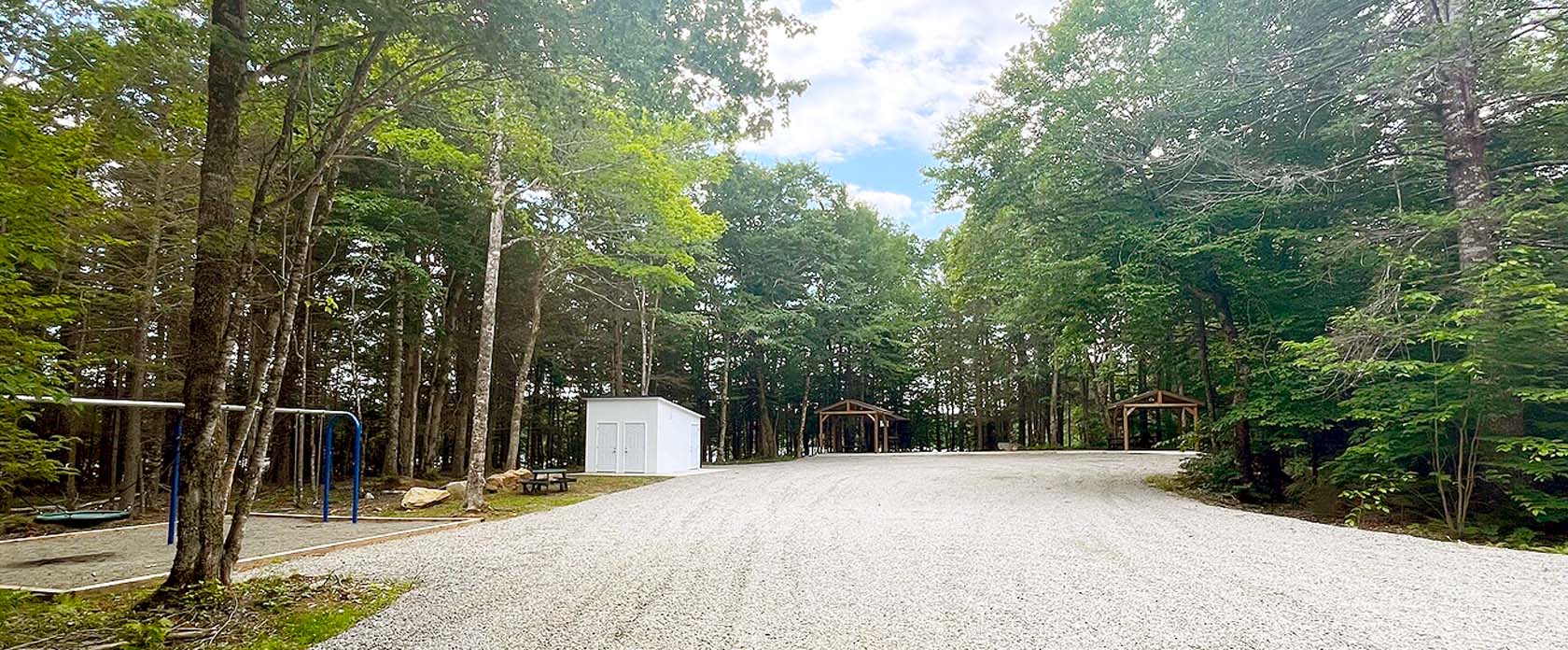
Gravel road networks, farm access routes, and municipal park systems continue to face increasing pressure from traffic, weather, and limited maintenance budgets. As municipalities and landowners look for more efficient ways to maintain these surfaces, there is a growing need for right-sized equipment that improves productivity without relying on full-size graders for every task. A Mini-Grader strategy is something that could benefit you.
A Mini-Grader fits directly into this shift. It supports smaller and more frequent maintenance tasks while still delivering professional surface shaping and road correction. When integrated into a structured maintenance strategy, it helps extend road life, improve safety, and reduce overall operating costs.
Many municipalities are reassessing how they allocate full-size grading equipment. While motor graders remain essential for primary road networks, they are often inefficient for secondary and restricted-access areas.
These include:
Using full-size graders in these areas can increase fuel consumption, scheduling delays, and wear on high-value assets. Compact grading equipment allows crews to complete targeted work more efficiently while improving accessibility across the entire network.
A structured maintenance program relies on consistent light-duty grading between major roadworks. A Mini-Grader is most effective when used for frequent, targeted maintenance across secondary and hard-to-reach areas.
Common applications include:
By addressing these areas proactively, municipalities can reduce surface deterioration before it requires full-scale grading operations.
Municipalities often operate with limited availability of full-size graders during peak maintenance seasons. At the same time, smaller assets such as tractors and utility vehicles are frequently underutilized for roadwork applications.
A Mini-Grader helps bridge this gap by enabling:
This improves operational flexibility and ensures secondary areas are maintained without disrupting primary road priorities.
Surface conditions in rural and recreational environments degrade quickly due to weather exposure, drainage issues, and seasonal traffic patterns. Without regular maintenance, these surfaces develop rutting, potholes, and erosion.
A Mini-Grader supports ongoing maintenance by:
These improvements are especially important in municipal campgrounds and agricultural networks where consistent access is critical.
A proactive maintenance strategy reduces the need for large-scale repairs and repeated material replacement. Addressing surface issues early helps preserve road structure and extend service life.
A Mini-Grader contributes to cost reduction by:
Over time, this creates a more sustainable maintenance cycle and reduces total lifecycle costs across the network.
Modern municipal maintenance strategies are increasingly moving toward layered equipment use rather than relying on a single machine type.
In this approach:
This structure allows municipalities to deploy the right equipment for the right task, improving efficiency and service consistency across all road types.
Seasonal conditions place continuous stress on gravel and rural road networks. Freeze-thaw cycles, heavy rain, and dry summer conditions all contribute to surface deterioration.
A Mini-Grader supports year-round maintenance by:
This reduces seasonal maintenance backlogs and improves overall network reliability.
Municipalities and agricultural operators are under increasing pressure to maintain larger networks with fewer resources. The Mini-Grader directly addresses this challenge by extending the capability of existing tractors and utility equipment, allowing crews to complete routine grading without deploying a full-size motor grader for every job.
This results in faster response times for washboard repair, pothole correction, and shoulder maintenance, especially in secondary roads, park systems, and campground networks where issues often develop between major maintenance cycles. It also reduces dependence on specialized equipment scheduling, helping crews stay productive even when primary graders are committed elsewhere.
By shifting these repetitive, small-scale grading tasks to a compact attachment, municipalities can reduce fuel use, lower operating costs, and limit wear on high-value fleet assets. At the same time, roads, pathways, and agricultural access routes receive more consistent attention, improving safety, drainage, and overall surface quality throughout the year.
In practical terms, the Mini-Grader allows maintenance teams to do more work, more often, with the equipment they already have, without waiting for a full-size grader to become available.