Municipal Snow Removal Equipment | Plan for Winter Early
Municipal Snow Removal Equipment Planning Starts Before Winter For municipal public works departments, municipal snow removal…
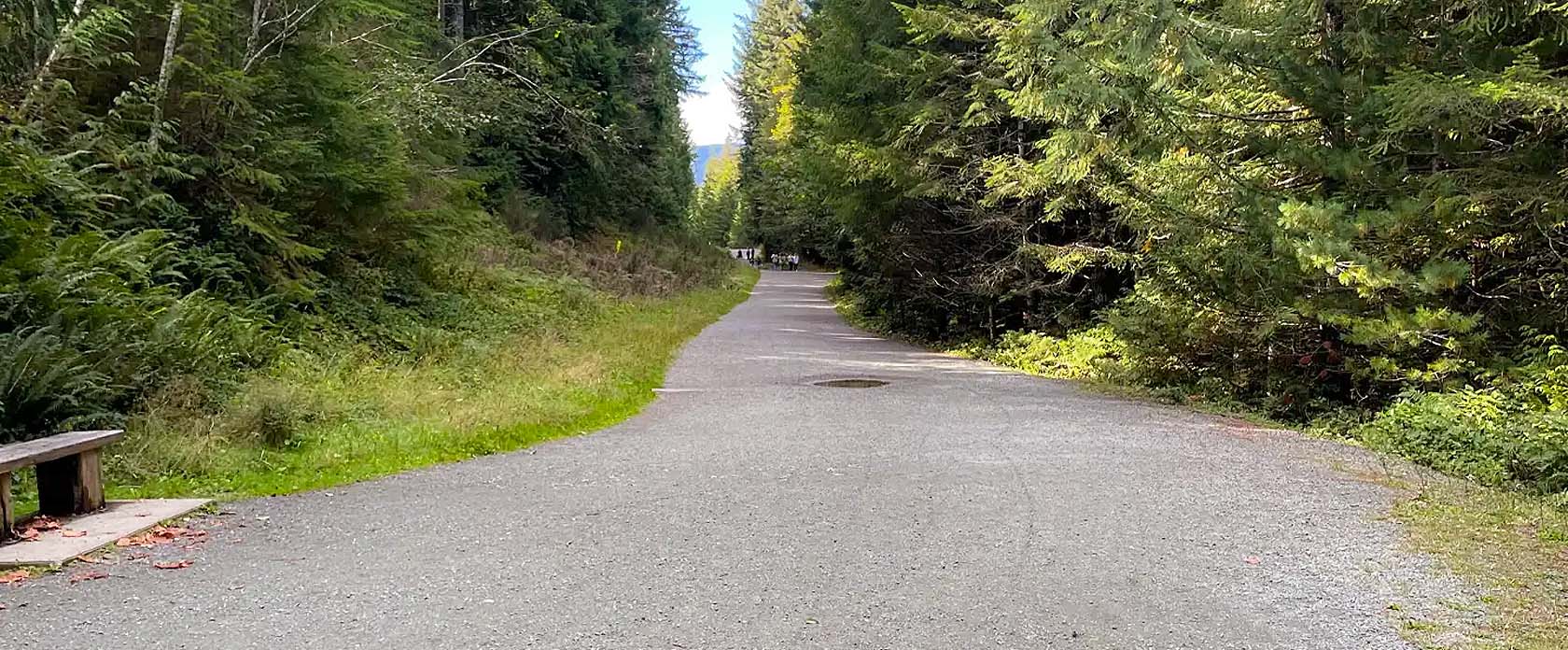
As infrastructure networks expand across municipalities, agricultural operations, and recreational properties, maintenance teams are increasingly responsible for a wide range of gravel surfaces, including small-scale road work. These include everything from primary rural roads to smaller access routes, campground loops, park service roads, farm lanes, and utility corridors. As a result, choosing the right equipment for each type of maintenance task has become more important than ever.
While full-size graders remain essential for major road construction and large-scale rehabilitation projects, they are not always the most efficient option for smaller, routine maintenance work. Therefore, many organizations are re-evaluating how they deploy gravel road maintenance equipment to improve efficiency, reduce costs, and increase responsiveness.
This article explores where compact solutions can outperform traditional grading equipment and how municipalities and operators can better match equipment to the task at hand.
Small-scale road maintenance typically refers to localized work on low-volume roads and access routes that do not require full reconstruction or large material movement. These areas may still experience regular wear and tear, but the scale of repair is generally more targeted.
Common issues include washboarding, minor potholes, surface rutting, gravel displacement, and drainage inconsistencies. Although these problems may appear minor, they can quickly escalate if not addressed promptly.
In many cases, these maintenance tasks are spread across multiple sites rather than concentrated in a single project area. This creates additional scheduling and equipment challenges for maintenance teams.
Motor graders are highly effective for large-scale grading operations. However, they can be less efficient when used for localized or narrow-area maintenance tasks.
For example, deploying a full-size grader for a short farm lane, campground loop, or park access road may require significant mobilization time and coordination. In addition, the machine may be oversized for the task, resulting in unnecessary fuel consumption and equipment wear.
Furthermore, when grading resources are limited, assigning a motor grader to small jobs can delay higher-priority work on primary road networks. This can create inefficiencies across the entire maintenance schedule.
As a result, many organizations are beginning to differentiate between large-scale grading requirements and small-scale maintenance tasks when planning equipment usage.
Gravel road maintenance equipment has evolved to include a wider range of tools beyond traditional motor graders. This includes compact grading attachments that can be used with tractors and utility vehicles already present in many municipal and agricultural fleets.
These solutions allow operators to complete targeted maintenance tasks without deploying large dedicated machines. In addition, they provide greater flexibility in how and when maintenance is performed.
Instead of waiting for a motor grader to become available, crews can address surface issues more quickly using smaller, more accessible equipment.
This shift supports a more proactive maintenance approach, where minor issues are corrected before they develop into more significant infrastructure problems.
Compact grading equipment is particularly well suited for environments where access, frequency, and flexibility are more important than large-scale material movement.
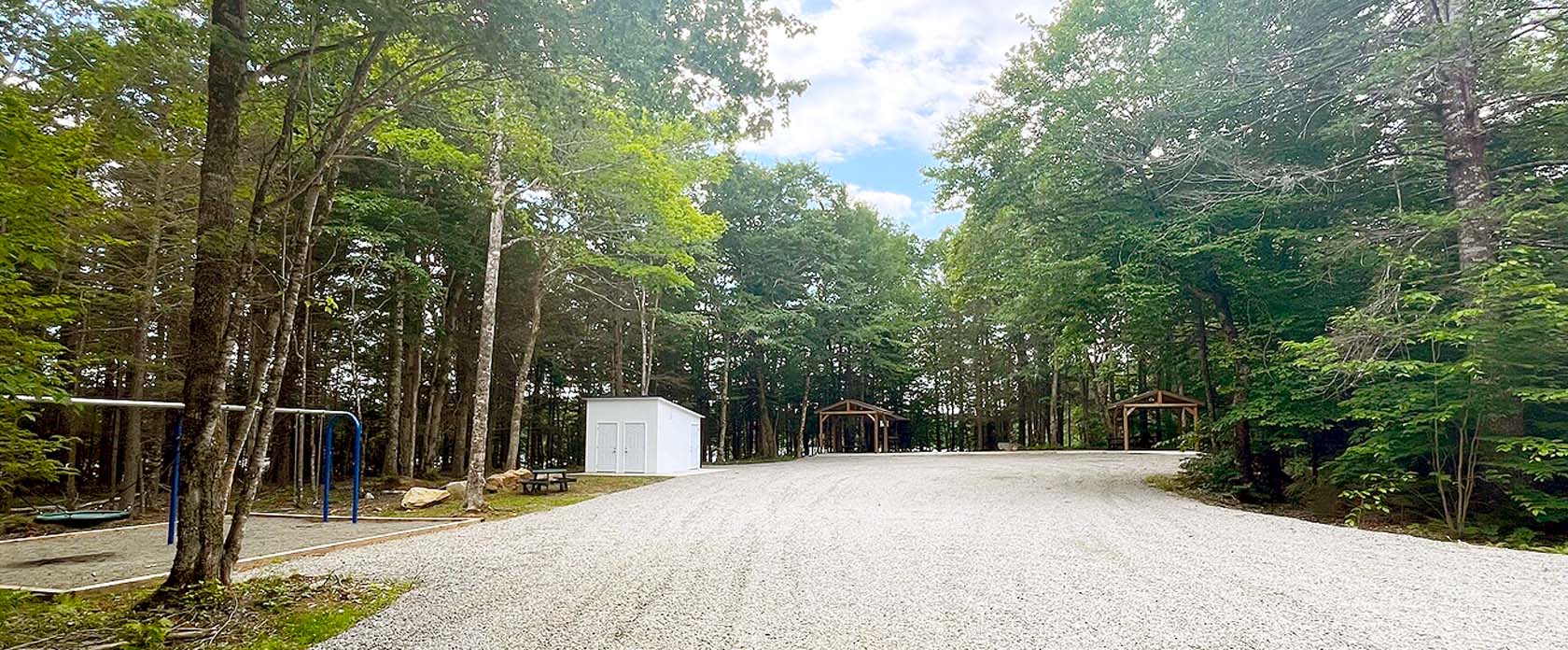
Campgrounds require regular attention throughout the operating season. Roads, loops, and parking areas often develop washboards and potholes due to constant vehicle traffic. Compact equipment allows crews to maintain these surfaces more frequently without disrupting campground operations.
Municipal parks often include gravel roads, service paths, and maintenance corridors that must remain accessible and safe. Compact grading equipment supports routine upkeep in these areas without requiring heavy machinery.
Agricultural operations rely on consistent access to fields, barns, and storage areas. Small-scale grading helps maintain productivity by ensuring equipment and transport vehicles can move safely and efficiently.
Water, sewer, electrical, and communications infrastructure often depend on gravel access routes that require periodic maintenance. Compact equipment allows for quick response to surface issues.
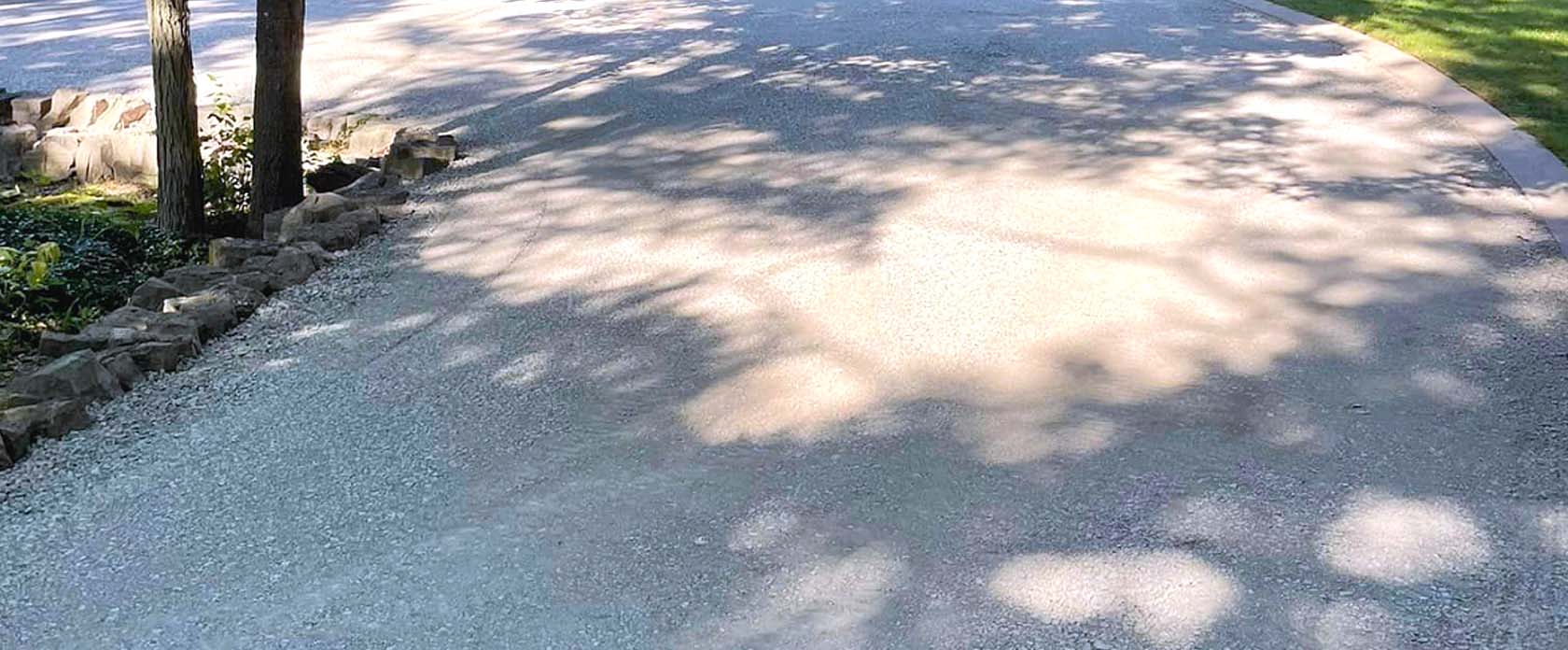
Lower-volume roads benefit from frequent light maintenance to preserve drainage and surface quality between major grading cycles.
Shoulder maintenance plays a key role in drainage performance and road longevity. Compact equipment can address these areas without the need for full-scale grading operations.
One of the most important considerations in modern maintenance planning is frequency. Some road networks require intensive but infrequent grading, while others benefit from light but regular maintenance.
Full-size graders are best suited for scheduled, large-scale operations. However, compact grading equipment is better aligned with frequent, localized maintenance tasks.
By using the appropriate equipment for each maintenance frequency, organizations can improve efficiency while reducing unnecessary equipment deployment.
This approach also helps extend the life of primary grading assets by reserving them for tasks that require their full capability.
Fleet utilization is a growing focus for municipalities and contractors. In many cases, tractors and utility vehicles spend portions of the year underutilized for road maintenance purposes.
By integrating compact grading attachments into existing fleets, organizations can increase operational flexibility without adding new dedicated machines. This allows maintenance teams to respond more quickly to localized issues and complete more work within existing resource constraints.
Additionally, it reduces dependency on motor grader availability, which is often a limiting factor during peak maintenance seasons.
From a procurement perspective, organizations are increasingly evaluating equipment based on lifecycle cost, utilization rate, and versatility rather than purchase price alone.
Compact grading solutions can offer advantages in all three areas. They typically require lower initial investment, increase the utility of existing equipment, and provide flexibility across multiple applications.
As a result, many procurement teams are beginning to include compact grading equipment in their long-term maintenance planning strategies.
Consider a municipality responsible for both a rural road network and several municipal campgrounds. The motor grader is primarily scheduled for main road maintenance, leaving limited availability for smaller seasonal work.
By introducing compact grading equipment, the municipality can assign campground maintenance, park road upkeep, and shoulder repairs to smaller machines. This allows the motor grader to remain focused on primary infrastructure while improving responsiveness across secondary networks.
This type of equipment right-sizing leads to better resource allocation and improved overall service delivery.
Selecting the right gravel road maintenance equipment is no longer just about capability. It is about matching equipment size, cost, and availability to the specific needs of each maintenance task.
While motor graders remain essential for major roadwork, compact grading equipment plays an increasingly important role in maintaining secondary roads, campgrounds, farm access routes, and utility corridors.
By incorporating smaller, more flexible tools into their maintenance strategies, like the Mini-Grader, municipalities and agricultural operators can improve efficiency, reduce scheduling constraints, and complete more work with existing equipment.
As organizations continue to optimize their fleets, compact solutions provide a practical way to bridge the gap between large-scale grading operations and everyday maintenance needs.