Municipal Snow Removal Equipment | Plan for Winter Early
Municipal Snow Removal Equipment Planning Starts Before Winter For municipal public works departments, municipal snow removal…
As municipalities, contractors, and agricultural operators face growing maintenance demands, many are looking for ways to do more with existing resources. While full-size graders remain essential for major road construction and large-scale maintenance projects, compact grading equipment is becoming an increasingly valuable tool for handling smaller, routine maintenance tasks. As a result, organizations are finding new ways to improve efficiency, reduce operating costs, and maintain more infrastructure without expanding their fleets.
Road maintenance requirements continue to grow across municipal road networks, campgrounds, park systems, agricultural properties, and utility access routes. At the same time, budgets, labour availability, and equipment utilization remain important considerations. Therefore, many organizations are reevaluating whether every grading task requires a dedicated motor grader.
Municipalities and agricultural operations are responsible for a wide variety of surfaces that require regular maintenance. In addition to primary gravel roads, crews often maintain shoulders, park roadsides, campground loops, farm lanes, utility corridors, and recreational access routes.
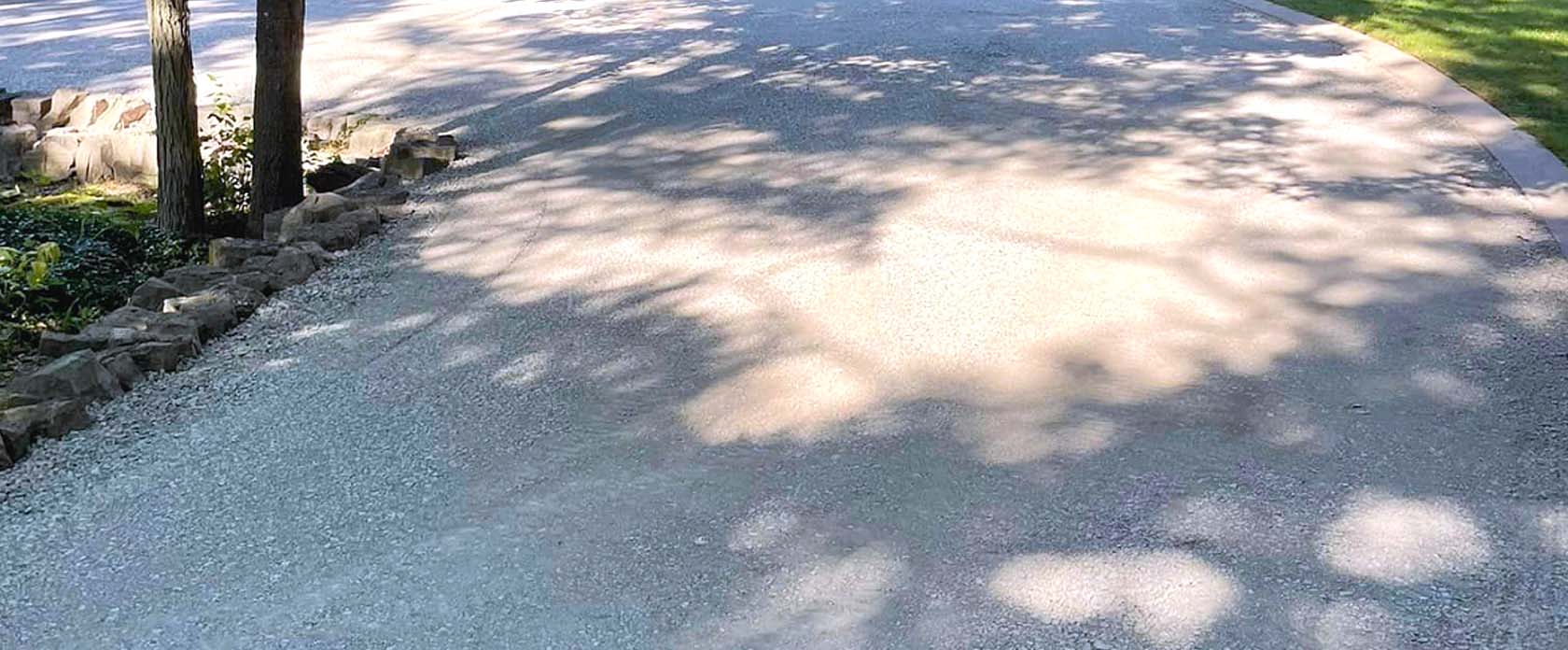
Although these areas may not experience the same traffic volumes as major roads, they still require attention year-round. Washboards develop, potholes form, drainage becomes compromised, and gravel material gradually shifts away from high-use areas.
Traditionally, many organizations have relied on full-size graders to address these issues. However, this approach can create challenges when maintenance requests are spread across multiple locations. In some cases, crews may postpone smaller jobs while waiting for grading equipment to become available. Consequently, minor issues can become larger and more expensive repairs over time.
As infrastructure networks continue to expand, organizations are increasingly seeking maintenance strategies that enable them to respond more quickly to localized issues.
There is no question that motor graders play a critical role in road maintenance operations. They are designed to move large volumes of material, establish road profiles, and perform major reconstruction work.
For example, full-size graders are often the preferred solution for:
In these applications, the productivity and capabilities of a dedicated grader are difficult to replace.
However, not every maintenance task requires this level of equipment. In fact, many routine grading jobs involve relatively small areas where the primary goal is surface correction rather than large-scale material movement.
Therefore, organizations are increasingly asking a simple question: Is the largest machine in the fleet always the most efficient tool for the job?
While motor graders excel at large projects, they can be less efficient when deployed for localized maintenance tasks.
For example, sending a full-size grader to repair a campground loop, touch up a park access road, or maintain a farm lane may require significant travel time, fuel consumption, and scheduling coordination. Furthermore, using a dedicated grader for small jobs can take valuable equipment away from higher-priority projects elsewhere in the network.
This challenge becomes even more apparent during peak maintenance seasons when municipalities are balancing multiple road programs simultaneously.
In addition, many organizations already own tractors and utility equipment that spend portions of the year performing other maintenance functions. As a result, decision-makers are increasingly evaluating how existing assets can be used more effectively across multiple applications.
Rather than relying exclusively on dedicated grading equipment, many operations are adopting a more flexible approach that matches equipment size to the scope of the work.
Compact grading equipment has emerged as a practical solution for organizations seeking greater flexibility in their maintenance programs.
Unlike dedicated motor graders, compact grading attachments are designed to work with equipment that municipalities, contractors, and agricultural operators may already have in their fleets. This creates an opportunity to expand maintenance capabilities without making significant investments in additional self-propelled machinery.
Moreover, compact grading equipment allows crews to address maintenance issues more frequently. Instead of waiting for a scheduled grading cycle, operators can respond to developing surface conditions before they worsen.
This proactive approach often leads to improved road conditions and more predictable maintenance costs over time.
From a procurement perspective, compact grading equipment can also help organizations maximize the return on existing fleet investments. Rather than purchasing another dedicated machine, operators can increase the functionality of the equipment they already own.
One of the primary advantages of compact grading equipment is its versatility. Because it can be used in a wide variety of environments, it supports maintenance programs across multiple departments and operational areas.
Common applications include:
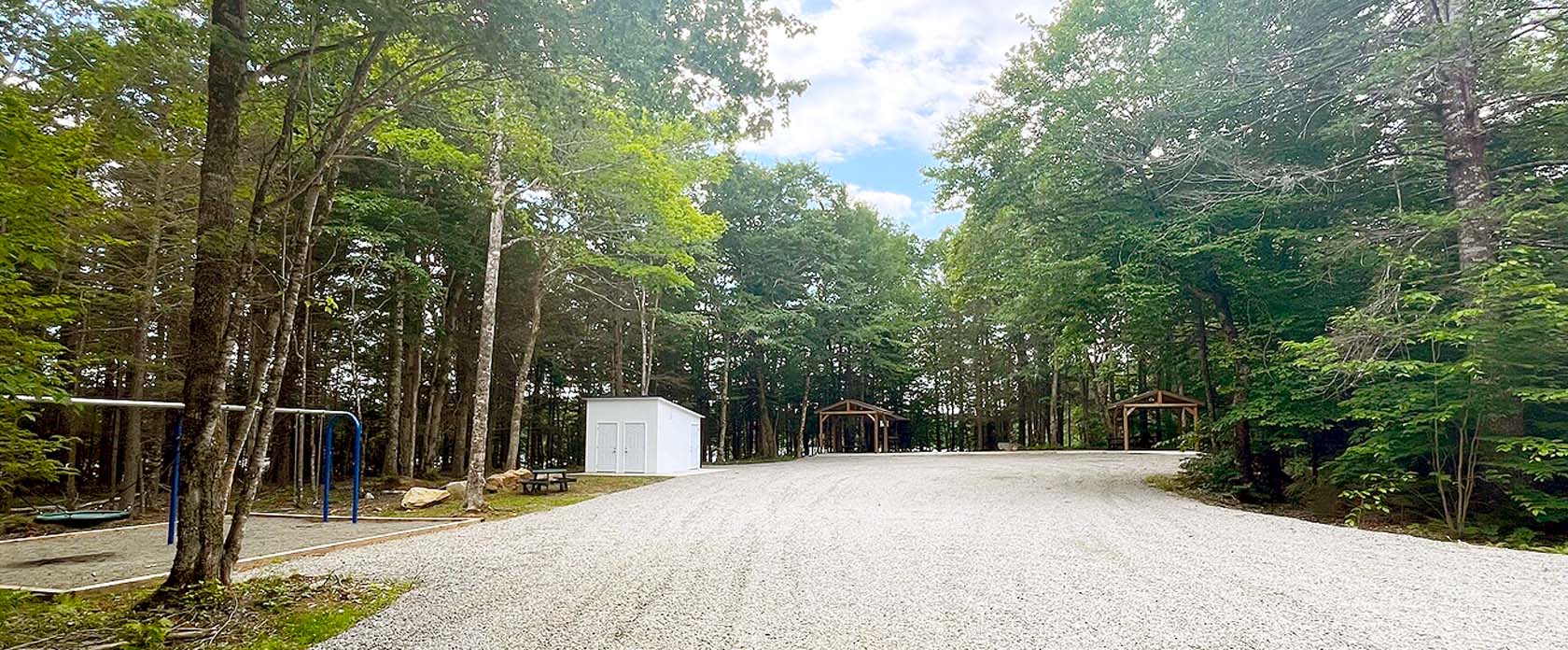
Campground roads, parking areas, and service loops often experience washboards and potholes throughout the season. Regular maintenance helps improve safety and visitor satisfaction.
Agricultural operations depend on reliable access routes for equipment, vehicles, and material transport. Consistent grading helps maintain productivity and reduce wear on machinery.
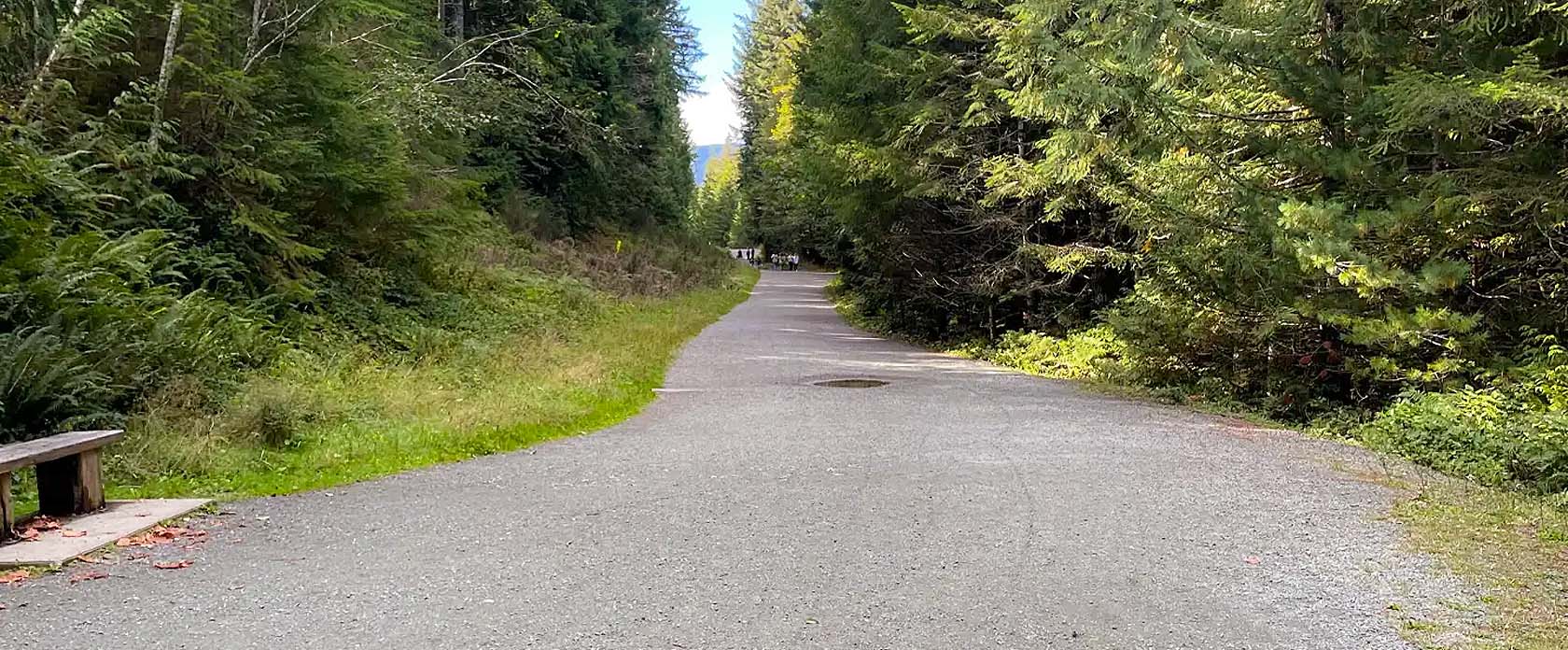
Municipal parks frequently contain gravel roads and maintenance pathways that require periodic grading but may not justify a full-size grader.
Water, sewer, electrical, and communications infrastructure often rely on gravel access routes that benefit from ongoing surface maintenance.
Lower-volume roads require regular attention to maintain drainage, restore crown, and improve driving conditions between major maintenance cycles.
Maintaining shoulders helps support drainage performance while protecting roadway edges from deterioration.
Because these applications are spread across diverse locations, compact equipment often provides greater operational flexibility than larger dedicated machines.
Equipment procurement decisions are increasingly influenced by utilization rates and long-term operating costs. Therefore, organizations are looking beyond simple purchase price comparisons when evaluating maintenance equipment.
Compact grading equipment supports this objective by helping organizations make better use of existing tractors and utility vehicles. As a result, maintenance teams can perform grading tasks without increasing fleet complexity or adding another specialized machine.
Furthermore, this approach can improve scheduling flexibility. Instead of waiting for a motor grader to become available, crews can address smaller maintenance issues using equipment that is already onsite.
Over time, this can reduce downtime, improve responsiveness, and help maintenance departments keep pace with growing infrastructure demands.
Successful maintenance programs increasingly rely on matching the right equipment to the right application.
Rather than viewing compact grading equipment as a replacement for motor graders, many organizations are treating it as a complementary tool within a broader maintenance strategy.
In this model, motor graders continue to handle major road projects and primary networks, while compact equipment addresses localized maintenance tasks, secondary routes, campgrounds, farm lanes, and utility access roads.
This layered approach helps maximize equipment utilization while improving service levels across the entire network.
As maintenance demands continue to increase, flexibility will become an increasingly important factor in equipment planning and procurement decisions.
Full-size graders will continue to play an important role in municipal and agricultural maintenance programs. However, many routine grading tasks do not require dedicated grading machinery.
By incorporating compact grading equipment into their maintenance strategies, organizations can improve responsiveness, reduce operating costs, and maximize the value of existing tractors and utility equipment. Additionally, they can address maintenance issues more frequently while reserving motor graders for projects where their capabilities are truly required.
As municipalities and agricultural operators continue to seek practical ways to do more with existing resources, solutions such as the Capital I Mini-Grader provide an opportunity to expand maintenance capabilities without expanding equipment fleets.